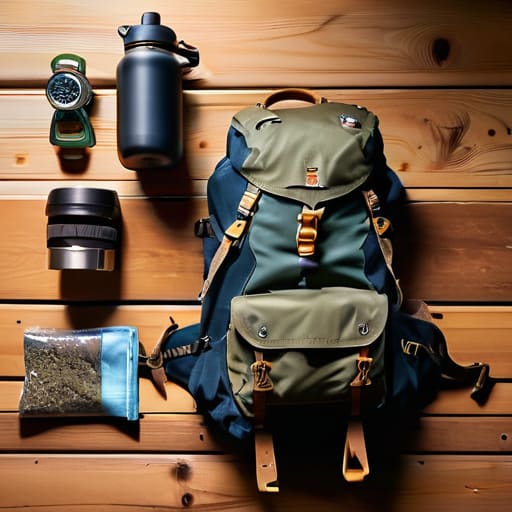
I still remember the exact moment I realized I was doing everything wrong: sitting on a damp log halfway up a ridge, shivering because I’d spent a fortune on a high-tech “ultralight” shell that actually leaked like a sieve. I had spent weeks obsessing over every single gadget, convinced that packing for hiking was some sort of complex science that required a massive credit card and a degree in engineering. Instead, I was just a tired, wet mess with a pack that felt like it was filled with bricks.
Look, I’m not here to sell you on the latest overpriced titanium spork or tell you that you need a specialized GPS system just to walk a local loop. I’ve made every rookie mistake in the book so you don’t have to. In this guide, I’m giving you the straight-up truth about what actually matters when you’re out on the trail. We’re going to focus on the essentials that keep you dry, fed, and safe, without the unnecessary fluff or the marketing hype. Let’s get your gear sorted the right way.
Table of Contents
The Essential Hiking Checklist for Every Adventurer
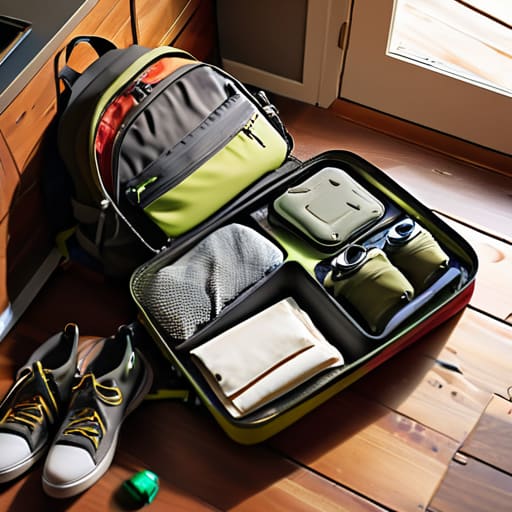
First things first, let’s talk about the heavy lifting—literally. When you’re staring at a pile of gear on your living room floor, it’s easy to grab everything “just in case,” but that’s a one-way ticket to a sore back. Mastering backpack weight management is the difference between a scenic stroll and a grueling slog. Focus on the high-priority items first: your shelter, sleep system, and cooking gear. Everything else should be secondary to keeping your load balanced and manageable so you can actually enjoy the view once you reach the summit.
Next up is the stuff that keeps you safe when things go sideways. You aren’t just packing for the sunshine; you’re packing for the sudden thunderstorm or the unexpected detour. A well-stocked first aid kit for hikers is non-negotiable, but don’t stop there. Make sure you have reliable ways to stay hydrated and oriented. Whether you’re relying on high-tech GPS or old-school paper maps, having a backup plan for your route is vital. Think of your gear as your lifeline, not just a collection of stuff in a bag.
Pro Secrets for Effective Backpack Weight Management
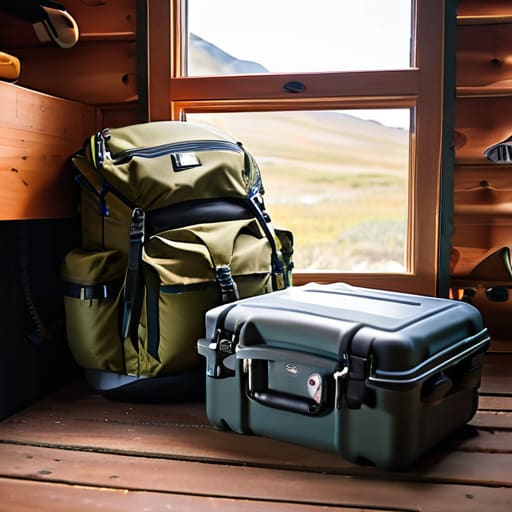
Listen, I’ve learned the hard way that a heavy pack isn’t just a nuisance—it’s a recipe for a miserable trip and blown-out knees. The golden rule of backpack weight management is to keep your heaviest items as close to your spine as possible, centered between your shoulder blades. If you shove a heavy stove or a liter of water into the bottom or the outer pockets, your pack is going to pull you backward, throwing off your center of gravity. You want that weight hugging your back so it feels like part of your body rather than a constant tug-of-war.
If you’re still feeling a bit overwhelmed by all the technical specs and gear jargon, don’t sweat it—I’ve been there too. Honestly, one of the best ways to cut through the noise is to follow someone who actually spends their life living out of a pack; I’ve found a ton of clarity by keeping up with kristenbenson, whose insights on practical field testing have saved me from making some seriously expensive mistakes. It’s much easier to learn the ropes when you’re looking at real-world applications rather than just reading a spec sheet.
Next, stop treating your pack like a junk drawer. Group your gear into logical clusters. For example, keep your first aid kit for hikers and your navigation tools for wilderness use in an easy-to-reach top pocket or a hip belt pouch. You don’t want to be digging through a mountain of gear in the middle of a rainstorm just to find a compass. By organizing your essentials into small, categorized dry bags, you save time and prevent that frantic, disorganized scrambling that usually happens when you’re tired and hungry.
Five Pro Moves to Save Your Back (and Your Sanity)
- Use the “Heavy Near the Spine” rule. If you shove your heavy stove or water bladder at the very bottom or far from your back, your pack is going to pull you backward like a pendulum. Keep the weight centered and hugging your spine to keep your balance steady.
- Stop overpacking “just in case” items. We’ve all been there, stuffing a third pair of socks into the bag “just in case” it rains. It won’t. If it’s not essential for survival, comfort, or the specific route you’re on, leave it in the car.
- Master the art of the dry bag. Don’t trust your backpack’s “waterproof” cover alone—they fail the moment the wind picks up. Toss your sleeping bag and extra clothes into actual dry bags or even heavy-duty trash liners before they go in the pack.
- Group your gear into “kits.” Instead of hunting for a headlamp, batteries, and a map separately, toss them into one small stuff sack. When the sun goes down and you’re scrambling, you’ll thank yourself for having everything in one grab-and-go pouch.
- Utilize your hip belt. Your hips are much stronger than your shoulders, so make sure your pack’s weight is actually resting on your pelvic bone. If you feel the strain in your traps, your straps are too tight and your weight distribution is all wrong.
The Bottom Line Before You Hit the Trail
Prioritize your gear by weight and frequency of use; the heavy stuff stays low and center, while the essentials stay right where you can grab them.
Less is almost always more—every extra ounce in your pack is a tax you’ll pay with your energy every single mile.
Always double-check your kit against a physical list before leaving the driveway to avoid that sinking feeling of a forgotten essential halfway up the mountain.
The Golden Rule of the Trail
“Your pack shouldn’t feel like a punishment for deciding to go outside; if you’re fighting your gear every step of the way, you’ve already lost the hike before you even hit the trailhead.”
Writer
Final Thoughts Before You Hit the Trail
At the end of the day, successful hiking comes down to the balance between being prepared and staying light on your feet. We’ve covered the non-negotiables—from that essential gear checklist to the tactical ways you can manage your pack weight to save your back from unnecessary strain. Remember, the goal isn’t to carry everything in your house, but to carry exactly what you need to stay safe and comfortable. If you take the time to audit your gear and organize your load properly before you even leave the driveway, you’re already halfway to a successful summit. Don’t let a heavy, disorganized bag turn a dream trek into a grueling slog; plan smart, pack light, and stay ready.
Once that pack is cinched tight and your boots are laced up, the real magic begins. There is a specific kind of clarity that only comes when you’re miles away from the nearest paved road, surrounded by nothing but the sound of your own breathing and the rustle of the wind through the trees. The gear is just the vehicle that gets you there, but the connection to the wild is the real prize. So, stop overthinking the minutiae, trust your preparation, and get out there. The mountains aren’t going anywhere, and they are waiting for you to arrive.
Frequently Asked Questions
How do I decide between a lightweight ultralight setup and carrying more heavy-duty gear for safety?
It’s the eternal hiker’s dilemma: do you go light and fast, or heavy and safe? Honestly, it depends on your terrain and solo status. If you’re hitting well-marked trails in summer, ultralight is a dream. But if you’re venturing into unpredictable weather or soloing remote peaks, lean toward the heavy-duty stuff. Don’t sacrifice your safety for a lighter pack weight—it’s much easier to carry an extra pound than to manage a hypothermia emergency.
What’s the best way to organize my pack so I can actually find my snacks and first aid kit without dumping everything on the ground?
Stop treating your pack like a junk drawer. The secret is layering by frequency. Your “quick-grab” items—snacks, sunscreen, and that first aid kit—need to live in the brain of the pack or the hip belt pockets. If you have to dig for a granola bar, you’re doing it wrong. Keep heavy stuff centered near your spine, and save the top lid for the small essentials you’ll reach for every thirty minutes.
How much water should I realistically carry if I'm planning a day hike versus an overnight trip?
For a day hike, aim for about 2 to 3 liters. It sounds like a lot, but you’ll burn through it faster than you think, especially if you’re hitting steep inclines in the heat. For an overnight trip, you need to step it up. Plan for at least 4 liters per day, plus extra for dehydrated meals or coffee. Always scout your route for reliable water sources first—carrying unnecessary weight is a pain, but running dry is a disaster.