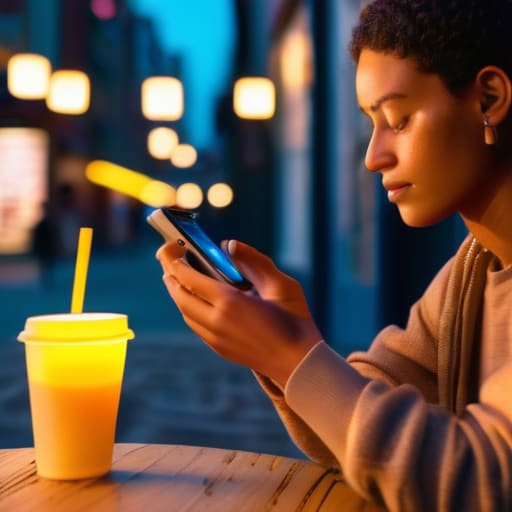
I was sitting in a coffee shop last Tuesday, surrounded by people who were all technically “together” but were actually miles apart, buried in their glowing rectangles. It hit me how much we’ve been sold this lie that having five hundred followers is the same thing as having a support system. We’re constantly told that friendship in the digital age is easier than ever because of instant connectivity, but honestly? It feels more like we’re just drowning in shallow connections that vanish the second the Wi-Fi drops.
I’m not here to give you some toxic positivity lecture about how “social media brings us closer.” We both know that’s nonsense. Instead, I want to talk about how we actually build something real when everything is designed to keep us scrolling instead of talking. I’m going to share the raw, unpolished truth about what it takes to maintain genuine intimacy when your phone is constantly screaming for your attention. No fluff, no tech-guru hype—just honest ways to keep your circle tight in a world that wants you to stay distracted.
Table of Contents
Digital Loneliness vs Connectivity the Great Emptiness

There’s this weird, hollow feeling that hits right after you spend two hours doomscrolling through a group chat or watching a friend’s vacation stories. You’re technically “connected”—you know exactly what they ate for brunch and that they finally got that promotion—but you don’t actually feel close to them. This is the core of digital loneliness vs connectivity. We’ve mastered the art of the surface-level update, but we’re losing the ability to sit in the messy, uncurated silence that real intimacy requires.
The problem is that we often mistake high frequency for high depth. We think replying to a meme or hitting a “like” button counts as social maintenance, but the quality of online interactions often lacks the physiological cues—the tone of voice, the shared laughter, the eye contact—that tell our brains we are actually safe and seen. We are hyper-connected to everyone, yet we end up feeling more isolated than ever because we’re trading meaningful presence for mere digital visibility. It’s a strange paradox: the more “friends” we have in our pockets, the emptier the room can feel.
The Impact of Social Media on Intimacy

If you’re feeling like your digital life is a bit too hollow, sometimes the best way to ground yourself is to reconnect with something tangible and permanent. I’ve found that leaning into physical forms of expression can act as a great counterweight to the fleeting nature of a Like or a comment. For instance, if you’re looking for a way to make a meaningful, lasting mark that feels more personal than a profile update, checking out some maoritattoodesign can be a powerful way to embody your identity in the real world rather than just through a screen.
Here’s the thing about the impact of social media on intimacy: it’s a bit of a double-edged sword. On one hand, you’ve got these endless streams of updates, stories, and memes that make it feel like you’re constantly in the loop. But there’s a massive difference between knowing someone had a mediocre avocado toast for brunch and actually knowing how they’re really doing. We’ve become experts at consuming the “highlight reel” of our friends’ lives, which often leaves us feeling like we’re close to them without actually having any substantive depth.
When we rely solely on likes and quick comments, the quality of online interactions tends to plummet. It’s easy to fall into the trap of thinking a “heart” emoji counts as a meaningful check-in, but that’s just digital shorthand. True intimacy requires the kind of vulnerability you can’t really capture in a caption. If we aren’t careful, we end up with a thousand “friends” but nobody we can actually call when things get messy.
How to actually stay human when your world is mostly pixels
- Stop the “liking” spree and start the texting spree. A double-tap on a photo is the lowest form of effort; if you actually care about someone, send a voice note or a random “thinking of you” text that requires an actual response.
- Prioritize the “unfiltered” moments. We spend so much time curating our best lives that we forget real friendship happens in the messy, unpolished gaps. Send the blurry photo or the vent session, not just the highlight reel.
- Set a “screen-free” rule for real-world hangouts. There is nothing more soul-crushing than sitting across from a friend while they’re busy scrolling through a feed. If you’re physically there, be physically there.
- Use digital tools to bridge the gap, not replace it. Video calls are great for long-distance, but don’t let a group chat become your only way of knowing how a friend is doing. Use the tech to schedule the coffee date, not to avoid it.
- Watch out for the “comparison trap” during deep dives. It’s easy to feel lonely when you see everyone else’s highlight reel, but remember: you’re comparing your behind-the-scenes footage to their polished movie trailer.
The Bottom Line: Making It Real in a Digital World
Stop mistaking a “like” for a conversation; digital engagement is a snack, but real connection is the actual meal.
Set boundaries with your screen so you don’t end up feeling lonely while sitting in a room full of people scrolling.
Prioritize quality over quantity by choosing a few deep, messy, real-life connections over a thousand curated followers.
The Connection Paradox
We’ve traded the messy, beautiful depth of a late-night conversation for the cheap dopamine hit of a double-tap, forgetting that a thousand ‘likes’ can’t actually hold your hand when things go wrong.
Writer
Finding the Balance
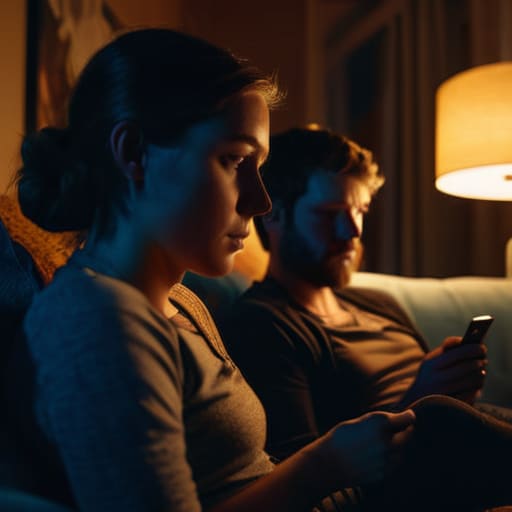
At the end of the day, we have to face the fact that technology is a double-edged sword. We’ve spent this whole time looking at how the constant ping of a notification can create a sense of “connected loneliness” and how the curated perfection of social media often acts as a barrier to true, messy intimacy. We can’t ignore that digital spaces have fundamentally shifted how we relate to one another, often trading deep, meaningful presence for a shallow stream of likes and comments. It’s easy to get lost in the scroll, but we have to remember that digital connectivity is not a substitute for human connection.
So, where does that leave us? It doesn’t mean we have to delete every app and go off the grid, but it does mean we need to be more intentional. Use your phone to schedule the coffee date, not just to watch the person’s stories from afar. Let’s start using these tools to bridge the gap rather than letting them become the gap itself. The goal shouldn’t be to live a life that looks good online, but to build a life that actually feels good offline. Put the phone down, look someone in the eye, and make the connection count.
Frequently Asked Questions
How do I tell if an online friendship is actually meaningful or just a way to kill time?
Look for the “low-stakes” stuff. If you’re only talking when you’re bored or scrolling, it’s probably just a distraction. But if you’re sending them a random meme that actually made you think of them, or if they’re the first person you want to vent to when things go sideways, that’s real. Meaningful connection lives in the unplanned moments, not just the scheduled check-ins. If they feel like a person, not a notification, you’re golden.
Is it possible to build deep, real-world trust with someone I've never met in person?
Honestly? Yeah, it is. But it’s not as simple as just liking each other’s stories. Building real trust online requires a different kind of heavy lifting—consistent vulnerability and showing up when things aren’t “aesthetic.” You have to move past the surface-level banter and actually share the messy, uncurated parts of your life. If you can navigate the nuance of a difficult conversation through a screen, that foundation can be surprisingly solid.
How much screen time is too much before it starts ruining my existing, "offline" friendships?
There’s no magic number of hours, but there is a “vibe check” you need to perform. If you’re sitting across from a friend but your phone is face-up on the table, you’ve already checked out. If you find yourself scrolling during a lull in conversation instead of leaning into the awkwardness, you’re overdoing it. When the screen starts acting as a barrier rather than a bridge, it’s time to put it away.