Stop wasting your hard-earned money on those $200 “orthopedic memory foam” beds that promise the world but end up collecting nothing but fur and disappointment. I’ve seen it a thousand times: you buy the most expensive, high-tech setup on the market, only to find your dog curled up in a drafty corner or, even worse, sleeping on a pile of your dirty laundry. It’s honestly ridiculous how much marketing fluff is thrown at us regarding dog sleeping spots, making us feel like we’re failing our pets if we don’t have a designer sanctuary in every room.
Look, I’m not here to sell you a lifestyle or push some overpriced brand. I’ve spent years observing exactly how different breeds and personalities claim their territory, and I’ve learned that the best spot isn’t always the one with the highest price tag. In this guide, I’m giving you the straight talk on how to actually identify what your dog needs—whether it’s security, warmth, or just a bit of solitude. We’re going to cut through the nonsense and find the real sweet spots that will actually keep your pup happy and rested.
Table of Contents
Cracking the Code Canine Sleep Positions Meaning
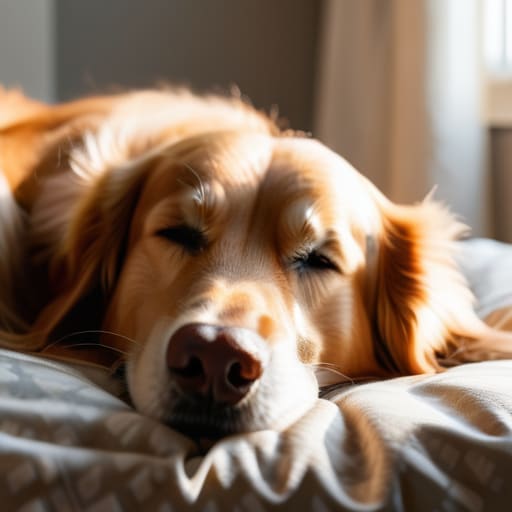
If you’re starting to realize that your dog’s nightly gymnastics might actually be a sign they aren’t getting the support they need, it might be time to look beyond just a random pile of blankets. Sometimes, finding that perfect balance between softness and structure is the only way to stop those restless midnight wanderings. I’ve found that checking out the curated selection over at windsweptwings can be a total game-changer when you’re trying to upgrade their setup without the guesswork.
Ever catch your dog sprawled out like a starfish or curled into a tight little ball and wondered, “What on earth are they thinking?” It’s easy to assume they’re just being goofy, but there’s actually a lot going on under the fur. Understanding canine sleep positions meaning is basically like learning a secret language. When they tuck that nose under their tail, they aren’t just being cute; they’re likely trying to trap body heat or protect their vital organs. On the flip side, if they’re stretched out completely flat, they’re probably feeling incredibly secure in their surroundings.
If you’ve ever stared at your pet and asked, “why do dogs sleep in weird positions,” know that it often comes down to a mix of instinct and comfort. A dog sleeping on their back with their legs in the air is basically telling you they trust you implicitly—they’ve exposed their belly, the most vulnerable part of their body. It’s a huge compliment, really! Whether they are twitching in a deep dream or just snoozing lightly, their posture is a direct window into how safe and truly relaxed they feel in their space.
Why Do Dogs Sleep in Weird Positions at Night
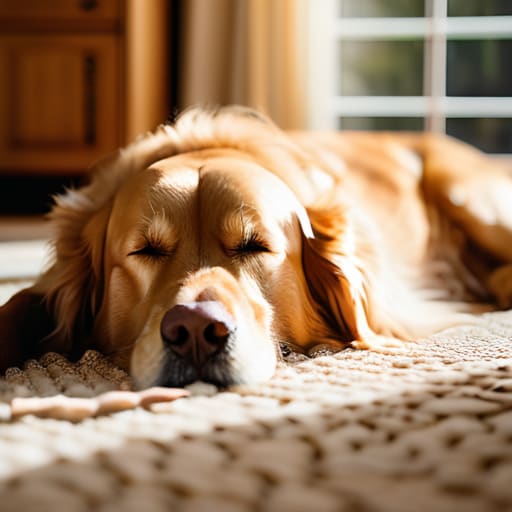
Ever walked into the living room at 2 AM only to find your dog sprawled out like a starfish, or perhaps curled into a tight, vibrating ball? It’s enough to make you wonder if something is wrong. Most of the time, though, it’s just biology doing its thing. Understanding why do dogs sleep in weird positions usually comes down to a simple tug-of-war between temperature regulation and instinct. A dog curled tight is often trying to preserve body heat or protect their vital organs, while that weird, limbs-everywhere sprawl is usually a sign they’re feeling totally relaxed and trying to dump excess heat.
Sometimes, those odd angles are actually a little SOS from your pup. If you notice your older dog struggling to get comfortable or twisting into awkward shapes to avoid pain, it might be time to look into orthopedic support for senior dogs. As they age, joints get cranky, and a standard floor cushion just won’t cut it anymore. It’s less about being “weird” and more about them trying to find that sweet spot where their aching hips can finally stop throbbing for a few hours.
Setting Up the Ultimate Dream Zone
- Watch where they naturally gravitate. If your dog keeps dragging their bed into a sunbeam or a specific corner of the kitchen, stop fighting it. They’ve already done the scouting for you; just move the gear to where they actually want to be.
- Temperature is everything. Some pups are little heat-seekers who need a plush, fuzzy donut bed, while others will literally melt if they aren’t sleeping on a cool tile floor. Pay attention to whether they’re seeking warmth or trying to escape it.
- Don’t forget the “den” factor. Most dogs have a primal urge to feel tucked away. If they seem restless, try a bed with raised edges or even a crate with a heavy blanket draped over the top to give them that sense of security.
- Location, location, location. You want them close enough to feel like part of the pack, but far enough away that a midnight thunderstorm or a vacuum cleaner doesn’t send them into a panic. Finding that “Goldilocks” zone is key.
- Keep it clean (for your sake too). A smelly bed isn’t just gross for you; it can actually irritate their skin. Invest in a bed with a removable, machine-washable cover so you aren’t scrubbing a heavy foam mattress every time they get muddy.
The Quick Cheat Sheet for Better Doggy Dreams
Don’t sweat the weird poses—most of those odd sleeping positions are just your dog’s way of regulating their temperature or feeling secure.
Pay attention to where they choose to snooze, as it’s the best way to figure out if they’re looking for comfort, warmth, or a sense of protection.
If you want to level up their nap game, focus on creating a dedicated, cozy nook that caters to their specific sleeping style.
The Soul of the Snooze
“A dog doesn’t just pick a spot to sleep; they pick a spot to feel safe. Whether it’s a sun-drenched patch on the rug or a literal pile of your dirty laundry, that chosen nook is where they finally let their guard down and just… be.”
Writer
Finding That Perfect Snooze Spot
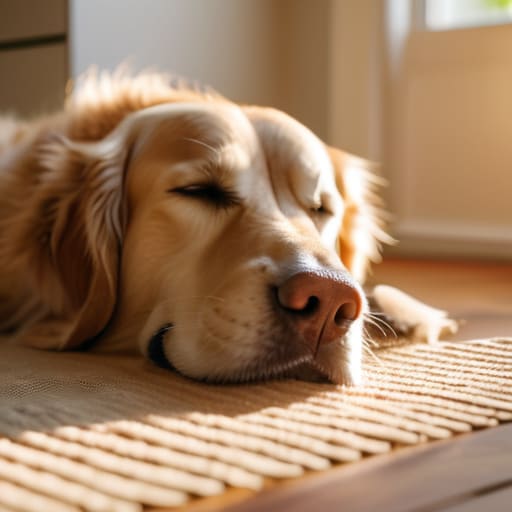
At the end of the day, figuring out where your dog belongs isn’t just about picking a fancy orthopedic bed or a soft rug; it’s about understanding their unique little quirks. We’ve looked at how their weird sleeping positions actually tell a story about how they’re feeling, and how much their environment impacts those deep, restorative naps. Whether they’re curling into a tight ball to stay warm or stretching out like they own the place, every choice they make is a way of communicating their comfort level to you. By paying attention to these small cues and adjusting their sleeping spots accordingly, you aren’t just decorating your home—you’re optimizing their well-being one nap at a time.
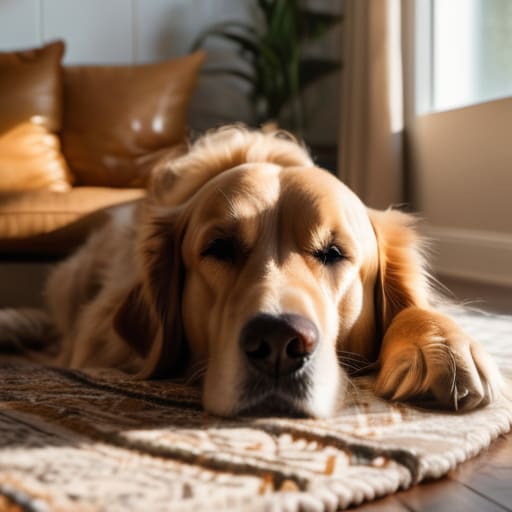
Ultimately, though, the “perfect” spot is rarely something you can find in a store catalog. It’s often that random, sun-drenched patch of hardwood or that specific corner of the sofa that just feels exactly right to them. As much as we try to curate the ultimate canine sanctuary, the most important ingredient in their sleep equation will always be the peace of mind that comes from knowing they are safe, loved, and right where they belong. So, let them roam, let them wiggle, and most importantly, let them dream.
Frequently Asked Questions
Is it actually okay to let my dog sleep in my bed, or will it ruin their training?
Look, I get it—having that warm, furry weight against you is the best feeling in the world. But here’s the truth: it’s a double-edged sword. It won’t “ruin” them overnight, but it can definitely create some boundary issues later on. If you haven’t mastered basic commands like “off” or “place,” letting them up might turn your bed into their personal kingdom. Consistency is everything; decide now if it’s a privilege or a right.
Should I get a raised cot or a traditional soft bed for my older dog?
It really comes down to how your senior buddy’s joints are holding up. If they’re struggling with arthritis or seem stiff when waking up, go with a raised cot. The airflow keeps them cool, but more importantly, it’s way easier for them to hop on and off without that awkward struggle. However, if they just love to burrow and nestle, a thick, orthopedic memory foam bed is the way to go.
How can I tell if my dog is sleeping in a specific spot because they're comfortable or because they're anxious?
It’s a fine line between “cozy” and “cautious.” If your pup is sprawled out, belly up, or tucked into a soft bed, they’re likely just chilling. But if they’re constantly seeking out tight, enclosed corners or staying glued to your feet—especially if they’re restless or whining—that’s a red flag. Anxious dogs aren’t looking for comfort; they’re looking for a fortress. Watch for tension in their body; relaxation is silent.