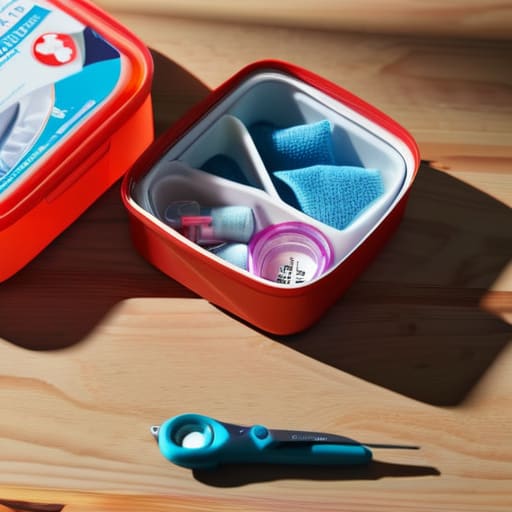
I still remember the frantic, metallic smell of blood and the way my heart hammered against my ribs when Cooper decided a random patch of thorn bushes was a great place for a midnight snack. I was scrambling through junk drawers, tossing aside useless trinkets, desperately searching for anything that could stop the bleeding. That was the moment I realized that a generic, store-bought pet first aid kit—the kind filled with overpriced, flimsy bandages and useless gadgets—is absolutely useless when panic actually sets in. You don’t need a collection of shiny, expensive nonsense; you need gear that actually works when your hands are shaking.
Look, I’m not here to sell you on some luxury medical subscription or a mountain of fluff you’ll never use. I’ve spent enough time in the trenches of pet ownership to know what actually matters when things go sideways. In this guide, I’m stripping away the marketing hype to give you a no-nonsense blueprint for building a kit that handles real-world chaos. We’re going to focus on the essentials that save lives, ensuring you’re actually prepared instead of just feeling like you are.
Table of Contents
Mastering Essential Pet Medical Supplies for Every Crisis
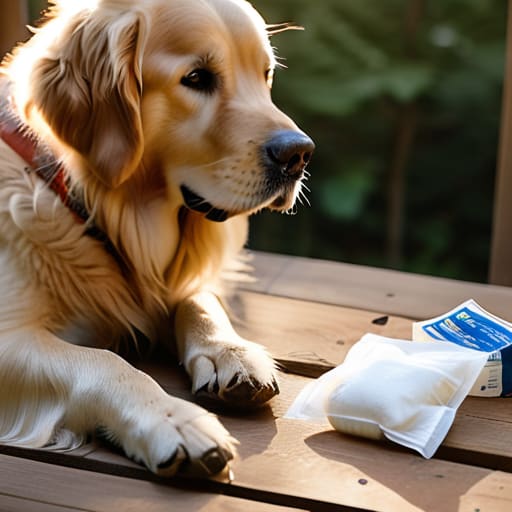
When it comes to building out your kit, don’t just grab a random assortment of Band-Aids and hope for the best. You need to think like a medic. Start with the basics of pet wound care supplies—we’re talking sterile gauze pads, medical tape that actually sticks, and antiseptic wipes that won’t sting like crazy. If your dog decides to chase a squirrel straight into a thorn bush, you’ll want those tools ready to clean and protect the area immediately.
Beyond just bandages, your setup needs to cover more ground to ensure true veterinary emergency preparedness. This means having items like digital thermometers to check for fever and tweezers for those pesky ticks. If you’re a multi-pet household, don’t forget to tailor your stash; your cat first aid essentials might look a little different, perhaps focusing more on calming aids or specialized eye wash. It’s not about having every gadget on the market, but about having the right tools to stabilize your furry friend until you can get them to a professional.
The Dog Emergency Kit Checklist Every Owner Needs
Beyond just gathering the physical supplies, staying organized is what actually saves lives when things go sideways. I’ve found that keeping a digital log of your pet’s medical history—like recent vaccinations and exact dosage requirements—is a total game changer during a frantic vet visit. If you’re looking for a way to streamline your pet care routines and keep all those vital details in one place, checking out workflowxpert can help you stay ahead of the chaos so you aren’t left guessing when every second counts.
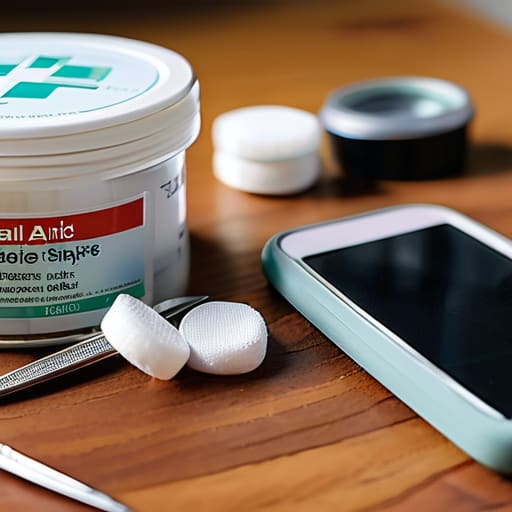
Look, I know it sounds a bit intense, but having a dedicated dog emergency kit checklist taped to your pantry door can literally be a lifesaver. You aren’t just looking for a few Band-Aids here; you need to think about the real-world chaos of a sudden injury. Start with the basics of wound management: sterile gauze pads, medical tape, and a high-quality antiseptic spray. If your dog manages to tear a paw pad on a hike or gets a nasty scratch from a fence, having these pet wound care supplies ready to go means you can stabilize them before the frantic drive to the clinic.
Beyond just treating cuts, don’t overlook the tools for more unexpected mishaps. I always suggest tossing in a digital thermometer and a pair of blunt-nosed scissors—trust me, you don’t want to be using kitchen shears near your dog’s skin during a panic. While we’re focusing on pups, it’s worth noting that many of these items overlap with cat first aid essentials, making it easier to keep one central station for the whole house. Being prepared isn’t about being paranoid; it’s about being the calmest person in the room when things go sideways.
Pro Tips for Keeping Your Kit Ready (Not Just Sitting in a Closet)
- Check your expiration dates at least twice a year. There’s nothing worse than reaching for antiseptic wipes only to find they’ve dried up into useless paper.
- Keep a digital backup of your vet’s number and your pet’s medical records. If you’re in a panic, you don’t want to be hunting through a physical folder or a lost phone.
- Make sure the kit is actually accessible. If it’s buried under a mountain of holiday decorations in the attic, it might as well not exist when you actually need it.
- Don’t forget the “human” element. Throw in a few granola bars or a bottle of water for yourself; you can’t help your pet if you’re hyperventilating or crashing from stress.
- Customise it to your specific pet. If your cat is a notorious scratcher or your dog has chronic skin issues, make sure your kit reflects those specific, recurring needs.
The Bottom Line: Be Ready Before You Need To
Don’t wait for a crisis to realize your kit is empty; check your supplies every few months to swap out expired meds or dried-out wipes.
A good kit isn’t just about bandages—it’s about having the right tools, like tweezers and gauze, to actually handle a situation without panicking.
Keep your kit in a predictable, easy-to-reach spot so you aren’t digging through junk drawers while your pet is in distress.
The Reality Check
“A pet first aid kit isn’t just some extra chore on your to-do list; it’s the difference between a controlled situation and a total meltdown when your best friend actually needs you.”
Writer
Final Thoughts Before You Gear Up
At the end of the day, building a pet first aid kit isn’t about being a professional vet; it’s about being prepared enough to bridge the gap between an accident and professional help. We’ve walked through everything from the absolute essentials like bandages and antiseptic to the specific items your dog needs to stay stable during a crisis. Remember, a kit is only useful if you actually know where it is and what’s inside it. Don’t let your supplies expire in a dark corner of the closet—make it a habit to check your kit every few months so you aren’t caught off guard when every second counts.
We all want our furry companions to live long, happy, and adventurous lives, but those adventures sometimes come with a few bumps and scrapes. Taking the time to assemble this kit today is one of the most profound ways you can show your pet that they are truly protected. It’s a small investment of time and money that offers an immeasurable amount of peace of mind. So, go ahead and grab those supplies, pack that bag, and breathe a little easier knowing you’ve done your part to keep your best friend safe.
Frequently Asked Questions
How often do I actually need to check my kit to make sure nothing has expired?
Think of it like checking your car’s oil—you don’t want to find out something’s wrong when you’re already stuck on the side of the road. I recommend doing a quick sweep every three months. It only takes a few minutes to scan for expired meds or dried-out antiseptic wipes. If you’re feeling extra organized, tie it to a seasonal change, like when you switch your clocks for Daylight Saving. Better safe than sorry.
Are there specific items I should add if my pet has chronic health issues or allergies?
If your pet is managing a chronic condition or nasty allergies, your kit needs to be way more specialized. Don’t just stick to the basics; pack extra doses of their specific maintenance meds and keep a dedicated log of their recent dosages. If they have skin allergies, toss in some antihistamines or soothing wipes. Having their recent medical history and a list of known triggers printed out can also be a total lifesaver during a frantic vet visit.
Where is the best place to store the kit so it's accessible but still safe from my pets?
Keep it high up and out of reach. A sturdy bin on a top shelf in the pantry or a dedicated cabinet in the laundry room works best. You want it somewhere you can grab in a heartbeat without tripping over a toy, but far enough away that a curious pup can’t chew through the plastic or swallow some gauze. If you have a “counter surfer,” aim for a high cabinet—out of sight, out of mind.