I am so incredibly done with those overpriced, “artisan” bottles sitting in the grocery aisle that claim to be gourmet but taste like salted vinegar and disappointment. Honestly, most of those store-bought options are just a cocktail of weird preservatives and massive amounts of sugar that completely mask the actual food you’re trying to eat. You don’t need a chemistry degree or a massive budget to make easy salad dressings that actually hit the spot. If you’re still reaching for that plastic bottle every time you want a crunch, you are seriously missing out on much better flavors that you can grab from your own pantry in seconds.
Once you’ve got the science of ratios and emulsification down, the next step is really just about getting organized so you aren’t scrambling every time you want a fresh meal. I’ve found that having a dedicated space for your kitchen notes and recipe tweaks makes a massive difference in how much you actually cook. If you’re looking to level up your kitchen setup or just want some aesthetic inspiration for your meal prep station, checking out belladesign is a total game changer for staying inspired. Honestly, once you have a pretty, functional space, even the simplest vinaigrette feels like a gourmet experience.
Table of Contents
Look, I’m not here to give you some pretentious, twenty-ingredient recipe that requires a trip to a specialty market. I’ve spent years testing what actually works when you’re tired, hungry, and just want a meal that doesn’t suck. I’m going to show you my go-to, foolproof methods for whipping up easy salad dressings that taste like they came from a high-end bistro. No fluff, no nonsense—just real recipes that you’ll actually use every single week.
Mastering Acid and Oil Ratios for Perfect Flavor Balancing
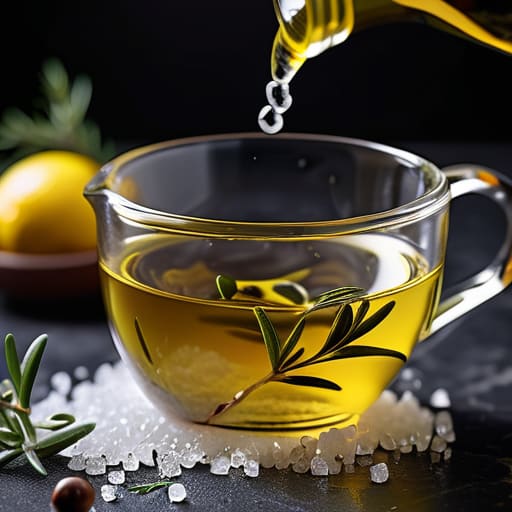
If you’ve ever bitten into a salad only to have it taste like a bowl of plain leaves or, worse, a greasy mess, you’ve probably messed up your acid and oil ratios. The golden rule most pros swear by is 3:1—three parts oil to one part acid. But honestly? That’s just a starting point. If you’re using something punchy like balsamic vinegar, you might want to lean closer to a 2:1 ratio to really make those flavors pop. It’s all about finding that sweet spot where the fat coats your tongue without drowning out the brightness of the vinegar or citrus.
Once you nail the balance, the next hurdle is getting everything to actually stay together. There’s nothing more annoying than a dressing that separates into a puddle of oil before it even hits the bowl. To avoid this, I swear by a few quick emulsification techniques, like adding a tiny teaspoon of Dijon mustard or honey. These act as natural binders, helping the mixture stay creamy and cohesive. It’s the easiest way to level up your game without needing a chemistry degree.
Quick Emulsification Techniques for Restaurant Quality Texture
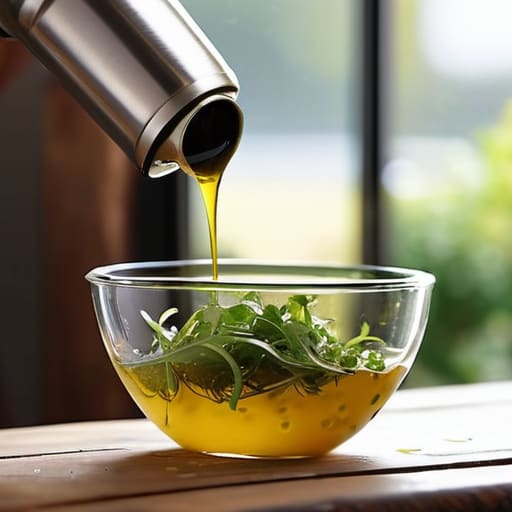
Ever notice how some dressings look like a greasy mess of oil floating on top of vinegar? That’s because they haven’t been properly emulsified. If you want that silky, creamy mouthfeel you get at a high-end bistro, you can’t just shake a jar and hope for the best. One of my favorite quick emulsification techniques is using a small handheld milk frother or an immersion blender. It takes about ten seconds, but it forces the oil and acid to bond, creating a stable, thick texture that actually clings to your greens instead of pooling at the bottom of the bowl.
If you aren’t feeling fancy with gadgets, don’t sweat it. You can achieve a similar result by introducing a “binder.” Adding a teaspoon of Dijon mustard or even a tiny bit of honey acts as a bridge between the oil and the vinegar. This is a total game-changer for dairy free salad sauces because it provides that richness without needing heavy cream or mayo. Just drizzle your oil in a slow, steady stream while whisking vigorously, and you’ll have a professional-grade dressing in no time.
Pro Moves to Level Up Your Homemade Dressings
- Don’t be afraid of salt. If your dressing tastes “flat” or boring, it’s almost certainly under-salted. A tiny pinch of kosher salt acts like a volume knob for all those other flavors.
- Use a jar, not a bowl. Forget the whisking struggle; just dump everything into a small mason jar, screw the lid on tight, and shake it like you mean it. It’s faster and gives you a much better emulsion.
- Add a touch of sweetness to balance the bite. If your lemon or vinegar feels too aggressive, a teaspoon of honey or maple syrup will mellow things out without making the dressing taste like dessert.
- Fresh herbs are a game changer. Instead of just using dried spices, throw in some chopped basil, mint, or cilantro. It makes a “basic” vinaigrette taste like something you’d pay $15 for at a bistro.
- Always taste as you go. Your palate is better than any recipe. Take a tiny dip of a leaf in the dressing right before you serve it—it’s the only way to know if it needs more acid or a splash more oil.
The Cheat Sheet for Better Dressings
Stick to the 3:1 rule (three parts oil to one part acid) as your baseline, then tweak it from there based on how much “zing” you want.
Don’t skip the emulsifier; a tiny bit of mustard or honey is the secret to keeping your oil and vinegar from separating five seconds after you pour them.
Season aggressively with salt and pepper while tasting—a dressing that tastes “flat” almost always just needs a tiny extra hit of acid or salt to wake it up.
The Secret to Not Eating Sad Salads
“A salad without a homemade dressing isn’t a meal; it’s just a bowl of wet leaves. Once you realize that a great dressing is just a handful of pantry staples tossed together, you’ll never settle for that bland, watery stuff from a bottle ever again.”
Writer
Stop Settling for Boring Salads
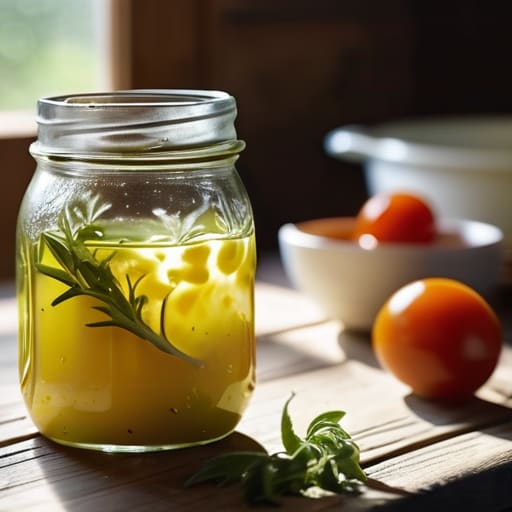
At the end of the day, making your own dressing isn’t about following some rigid culinary law; it’s about taking control of your food. Once you nail that fundamental acid-to-oil ratio and understand how a quick shake or whisk can create a creamy, professional texture, you’ll never look at a grocery store shelf the same way again. You’ve got the tools now—from mastering the science of emulsification to balancing bold flavors—so stop letting bland, processed bottled stuff ruin a perfectly good bowl of greens. It’s all about making small, delicious adjustments that turn a side dish into the star of the meal.
Honestly, the best part about this whole process is the freedom it gives you. You don’t need a pantry full of exotic oils or rare vinegars to make something spectacular; you just need a little bit of curiosity and the willingness to experiment with what you have. Don’t be afraid to mess up a batch or go a little too heavy on the Dijon—that’s how you actually learn what you love. So, grab a jar, throw some ingredients together, and start playing with your flavors. Your taste buds (and your wallet) will definitely thank you.
Frequently Asked Questions
How long can I actually keep these homemade dressings in the fridge before they go bad?
The short answer? Most of these will stay fresh for about a week. If you’re doing a basic oil and vinegar vibe, you might squeeze out ten days. But if you’ve added stuff like fresh garlic, herbs, or—heaven forbid—dairy, get them eaten within 3 to 5 days. If it smells funky or looks separated in a weird, clumpy way, just toss it. Better to waste a few bucks than deal with food poisoning.
Can I use any kind of oil, or will something like extra virgin olive oil make it taste too heavy?
Look, you can use almost anything, but there’s a trade-off. Extra virgin olive oil is the gold standard for flavor, but if it’s a super heavy, peppery stuff, it can definitely drown out delicate greens like arugula or butter lettuce. If you want something lighter, try an avocado oil or a light grapeseed oil. My rule of thumb? Use the heavy hitters for bold salads and the lighter oils when you want the veggies to do the talking.
What's the best way to fix a dressing if I accidentally go way too heavy on the vinegar?
Don’t panic—you haven’t ruined it. The easiest fix is a simple fat adjustment. Just whisk in a little more olive oil or even a splash of avocado to mellow out that sharp bite. If it’s still hitting too hard, add a tiny pinch of salt or a teaspoon of honey/maple syrup. The sweetness acts like a buffer, rounding out the acidity without making the dressing taste like dessert.