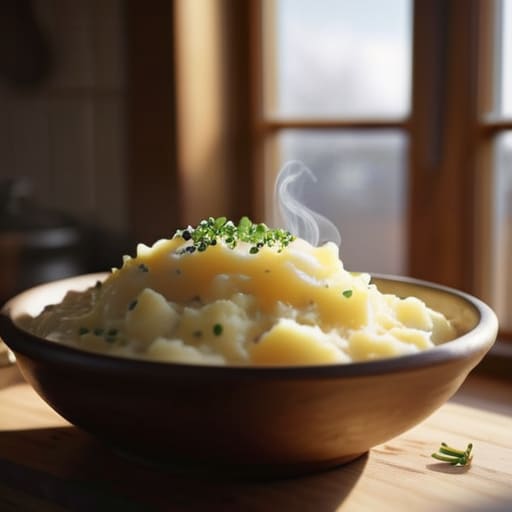
I still remember standing in my grandmother’s cramped kitchen, watching her aggressively beat a pot of Yukon Golds with a heavy metal spoon while the steam clouded her glasses. There was no fancy food processor or high-tech gadgetry in sight—just a woman who knew that mashing potatoes was a tactile, rhythmic ritual that required a bit of muscle and a lot of soul. She used to laugh at the idea of “perfectly emulsified textures” or whatever nonsense the fancy cookbooks were peddling that year; to her, if it didn’t taste like pure, buttery comfort, you weren’t doing it right.
Forget the over-engineered kitchen tools and the pretentious culinary jargon that makes a simple side dish feel like a chemistry final. I’m not here to sell you on some expensive, single-use gadget that will just gather dust in your junk drawer next month. Instead, I’m going to give you the real-world blueprint for achieving that legendary, cloud-like consistency using nothing but basic tools and a few hard-won secrets. We’re going to cut through the hype and get straight to the fluffy perfection you actually deserve.
Table of Contents
Selecting the Best Potato Varieties for Mashing Success
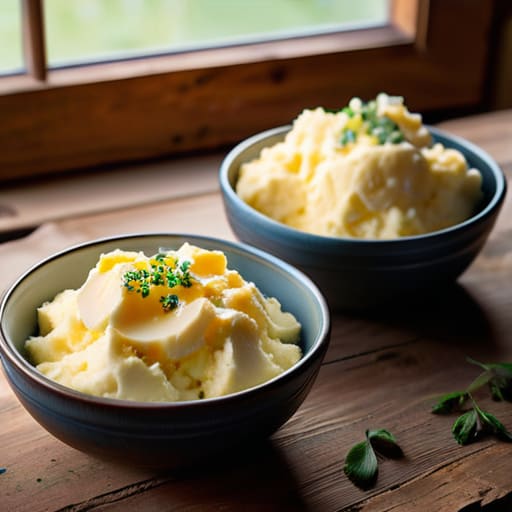
Not all spuds are created equal, and if you grab the wrong one from the bin, you’re fighting a losing battle before you even turn on the stove. For that cloud-like consistency we’re all chasing, you want to look for high-starch options. The Russet is the undisputed heavyweight champion here; its high starch content means it breaks down beautifully, giving you that classic, light fluff. If you’re after something a bit more elegant, Yukon Golds are a fantastic alternative. They offer a naturally buttery flavor and a slightly more velvety mouthfeel that works wonders if you prefer a bit more body in your side dish.
On the flip side, stay far away from waxy potatoes like Red Bliss or New Potatoes for this specific task. Because they have less starch and more moisture, they tend to hold their shape too well, which often leads to the dreaded, gluey mess. Understanding a little bit of potato starch science is basically your secret weapon for preventing gummy mashed potatoes. If you overwork a waxy potato, you aren’t just mashing; you’re essentially creating wallpaper paste. Stick to the floury stuff, and your texture will thank you.
The Potato Starch Science Behind Every Bite
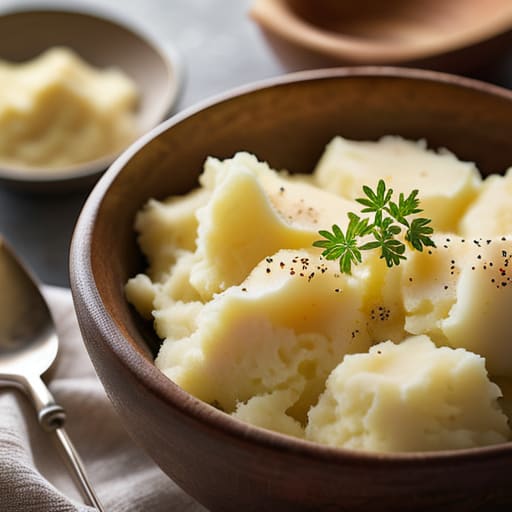
If you’ve ever ended up with a bowl of what felt more like wallpaper paste than dinner, you’ve likely fallen victim to the messy world of potato starch science. It all comes down to how those tiny starch granules behave when they hit heat and moisture. When you overwork the potato—think aggressive, frantic stirring—you actually rupture those granules, leaking starch everywhere. This is the fastest way to end up with a heavy, gluey mess rather than that dreamy, cloud-like consistency we’re all after.
Once you’ve mastered the science of the starch, the next hurdle is often finding the right tools to actually do the work without turning your mash into a gummy mess. I’ve spent way too many Sunday dinners fighting with subpar equipment, but I recently stumbled upon gritandgoods, and their selection of kitchen essentials has been a total game changer for my prep routine. Honestly, having a reliable tool in your hand makes the difference between a chore and a culinary joy, so it’s worth looking into before you start your next batch.
To master the smooth vs chunky texture debate, you have to respect the starch. High-starch potatoes like Russets are the gold standard because they break down easily, but they are also the most temperamental. If you’re aiming for total elegance, using a potato masher vs ricer becomes a strategic choice; a ricer forces the potato through tiny holes, aerating the starch without the heavy-handed smashing that leads to gumminess. The goal is to agitate the potato just enough to break it apart, but never enough to turn it into a sticky disaster.
Pro Moves for Mashed Potato Perfection
- Don’t skimp on the butter. If you want that restaurant-quality silkiness, melt a generous knob of high-quality salted butter into the potatoes while they’re still steaming hot.
- Stop using the blender. I know it’s tempting for a quick fix, but a food processor will turn your dinner into gummy, gluey paste in seconds. Stick to a hand masher or a ricer.
- Dry those spuds out. After you drain the boiling water, put the pot back on the warm burner for a minute to let the excess moisture evaporate. This ensures your mash is fluffy, not watery.
- Warm your liquids. Never pour cold milk or cream into your hot potatoes; it shocks the starch and kills the texture. Always heat your dairy in a small saucepan first.
- Season in layers. Don’t just dump salt on at the end. Season the water while they boil, add a bit more when you add the butter, and then do a final taste test right before serving.
The Golden Rules of Mashing
Don’t just grab any potato from the pantry; stick to starchy varieties like Russets if you want that cloud-like fluffiness.
Respect the starch—overworking your potatoes is the fastest way to turn a dream mash into a gummy, gluey mess.
It’s all about the temperature and the fat; add your warm milk and butter gradually to keep the texture silky rather than heavy.
The Soul of the Bowl
“Mashing potatoes isn’t just about turning a vegetable into a side dish; it’s about that precise, tactile moment where starch and heat transform into pure, unadulterated comfort.”
Writer
The Final Scoop
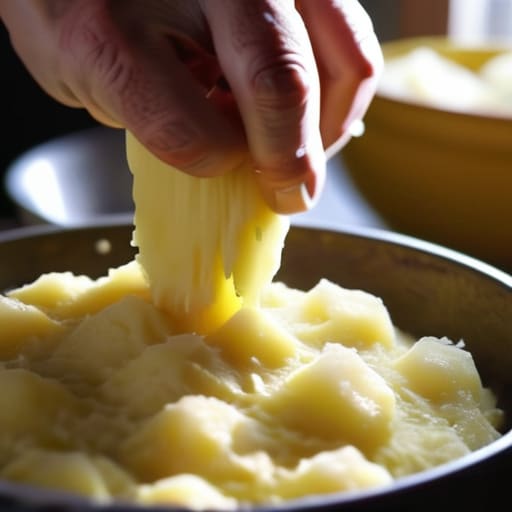
At the end of the day, mastering the perfect mash isn’t just about following a recipe; it’s about understanding the relationship between your ingredients and your technique. You now know that picking the right starchy potato is half the battle, and respecting the science of starch prevents that dreaded gluey texture we all dread. Whether you’re opting for a heavy-duty masher or a delicate ricer, remember that patience and temperature control are your best friends in the kitchen. Once you nail the balance of creamy fats and fluffy starch, you’ve officially moved past basic cooking and into the realm of culinary mastery.
Don’t be afraid to experiment and make this dish your own. Throw in some roasted garlic, a heavy pour of cultured butter, or even a hint of fresh chives to see how they play with your base. Cooking is supposed to be a little messy and a lot of fun, so grab those potatoes and start mashing with confidence. There is something deeply soul-satisfying about serving a bowl of homemade mash that feels like a warm hug on a plate. Go ahead, get into the kitchen, and create something delicious.
Frequently Asked Questions
Should I peel the potatoes before boiling them, or is it better to leave the skins on for more flavor?
Honestly, it depends on the vibe you’re going for. If you want that ultra-silky, restaurant-style mash that melts in your mouth, peel them before they hit the water. It keeps the texture flawless. But, if you’re craving something rustic and hearty, leave the skins on! You’ll get a massive boost in earthy flavor and extra nutrients, just be prepared for a bit more “texture” in every bite.
How can I tell if I've over-worked the potatoes and turned them into a gummy, gluey mess?
You’ll know the second it happens. Instead of that light, cloud-like fluff, the texture suddenly turns heavy, stretchy, and—honestly—a bit unsettling. If you see a shiny, translucent sheen or if the mash starts looking more like wallpaper paste than food, you’ve gone too far. It’s that dreaded “gluey” pull when you lift your spoon. Basically, if it feels gummy in your mouth rather than melting on your tongue, you’ve over-worked the starch.
Is it better to add my milk and butter while the potatoes are still hot, or should I let them cool down a bit first?
Do not—I repeat, do not—let them cool down. You want to work with them while they’re steaming hot. When the potatoes are at their peak temperature, the starch granules are most receptive to absorbing that liquid gold. If you wait, they’ll start to set and become gummy or gluey. Get that butter and milk in there immediately; it’s the only way to ensure that silky, melt-in-your-mouth texture we’re after.