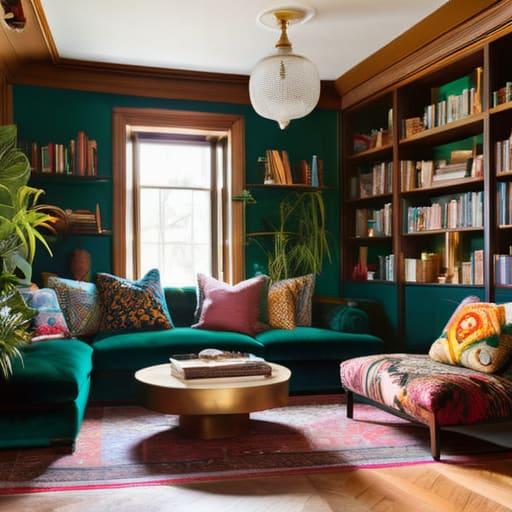
I’m so tired of seeing those “curated” Pinterest boards where maximalism is just a polite way of saying “expensive minimalism with one weird lamp.” People act like you need a massive inheritance and a professional stylist to pull off maximalist decor, but honestly? That’s a total load of garbage. The industry wants you to believe that layering textures and clashing patterns is some high-stakes math equation, when in reality, it’s just about having a soul and not being afraid to show it.
Look, I’m not here to sell you on a specific “aesthetic” or tell you to go out and buy a dozen velvet cushions just because a magazine said so. I’m going to give you the real, unvarnished truth about how to build a space that actually feels like you. We’re going to skip the fluff and dive straight into the practical, messy, and incredibly rewarding ways to master maximalist decor using what you already love. No gatekeeping, no designer jargon—just honest advice on how to turn your home into a beautiful, living riot of color and personality.
Table of Contents
Beyond the Void Understanding Maximalism vs Minimalism
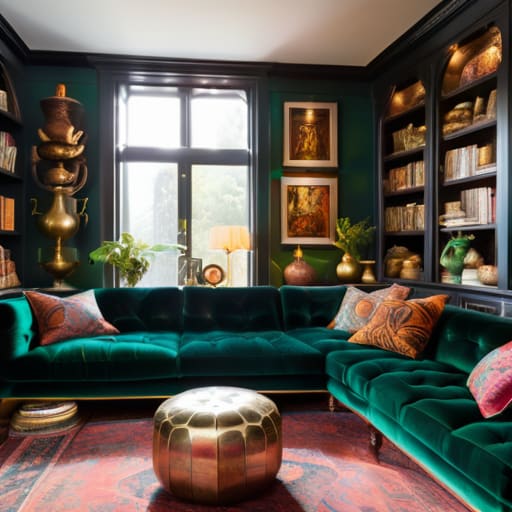
It’s easy to fall into the trap of thinking these two styles are sworn enemies, but they’re really just two different ways of telling a story. If minimalism is a quiet, meditative breath, then maximalism is a boisterous, soulful conversation. People often get caught up in the maximalism vs minimalism debate as if one must be “correct,” but the real difference lies in intention. Minimalism seeks peace through subtraction, stripping away the noise to find clarity in the empty spaces. Maximalism, however, finds its rhythm in the abundance, using every corner to reflect a life well-lived.
The nuance is where things get interesting. You don’t have to live in a museum of “stuff” to embrace a more layered approach. It’s not about mindless clutter; it’s about eclectic interior design styles that feel purposeful. While a minimalist might stare at a single, perfect vase, a maximalist finds joy in the way that vase sits next to a stack of vintage books and a sprawling collection of botanical prints. It’s the difference between curating a void and cultivating a sanctuary.
Vibrant Souls Building Bold Maximalist Color Palettes
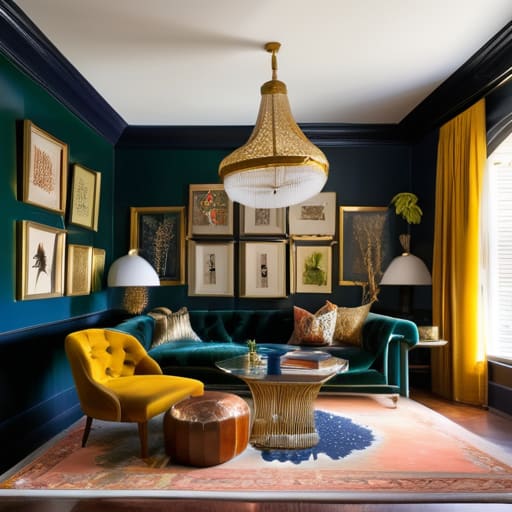
If you’ve been staring at a sea of beige or “greige” wondering where your personality went, this is your permission slip to break the rules. Building maximalist color palettes isn’t about picking a single bright hue and painting every wall neon; it’s about finding the rhythm between colors that shouldn’t work together, but somehow do. Think of it like a well-composed song—you need the heavy bass of a deep navy or forest green to ground the high notes of mustard yellow or electric coral.
The secret to avoiding a space that feels chaotic rather than curated lies in how you layer. When exploring different eclectic interior design styles, I always recommend starting with a “hero” color for your largest surfaces, then pulling secondary tones from your textiles and art. Don’t just stop at pigment, either. To keep the energy moving, try mixing textures in decor—pair a velvet jewel-toned sofa with silk pillows or a chunky woven rug. It’s that tactile depth that turns a loud room into a soulful sanctuary.
The Art of the Layer: 5 Ways to Curate Your Chaos
- Stop playing it safe with “sets.” Real maximalism lives in the mix—pair that vintage velvet armchair with a sleek modern side table, or throw a patterned silk rug over a geometric one. The magic happens in the friction between different eras and textures.
- Treat your walls like a diary, not a gallery. Don’t just hang one lonely print in the center of a blank space; create a gallery wall that grows with you. Mix framed sketches, old postcards, and even hanging textiles to turn your walls into a visual autobiography.
- Texture is your secret weapon for depth. If everything is smooth and shiny, the room will feel flat regardless of how much color you use. Bring in the “touchables”—chunky knit throws, carved wood, brass accents, and even some greenery to give the eye something to sink into.
- Follow the “Rule of Three” (but break it constantly). When styling a shelf or a coffee table, grouping objects in odd numbers creates a natural rhythm. Start with three, but then add a fourth or fifth “wildcard” item to prevent it from looking too staged or precious.
- Curate your clutter. There is a thin line between a soulful sanctuary and a junk drawer with a ceiling. The goal is to display your treasures with intention. If an object doesn’t spark a memory or a sense of joy, it’s just noise—and maximalism should feel like a celebration, not a chore.
The Maximalist Cheat Sheet
Forget the “rules” of matching; focus on how colors and textures interact to create a mood that actually feels like you.
It’s not just about clutter—it’s about curation. Every piece should tell a story or spark a memory to avoid the “messy” trap.
Layering is your best friend. Start with a bold base and slowly add patterns, art, and treasures until the room feels complete.
The Soul of the Room
“Maximalism isn’t about mindless clutter; it’s about curated chaos. It’s the art of surrounding yourself with the things that tell your story, until your walls finally start to speak back to you.”
Writer
Making It Your Own

Once you’ve started layering in those rich textures and deep hues, you’ll realize that the way you capture your space matters just as much as the decor itself. There is something so incredibly soul-filling about seeing your curated chaos through a professional lens, which is why I always suggest looking at laurentphotography if you want to see how lighting and composition can truly make a busy room feel intentional rather than cluttered. It’s one thing to live in a beautiful space, but it’s another thing entirely to document the magic of your personal sanctuary before the light shifts.
At the end of the day, maximalism isn’t about following a strict set of design rules or filling every square inch of your home with expensive clutter. It’s about the intentionality behind the chaos—understanding that the difference between a curated sanctuary and a junk drawer lies in how you layer your story. We’ve looked at how to embrace the spectrum of color and how to distinguish this soulful approach from the stark emptiness of minimalism. Remember, whether you are mixing clashing patterns or displaying a lifetime of travel souvenirs, the goal is to create a space that feels purposefully alive rather than just visually loud.
So, stop worrying about whether your velvet emerald sofa “belongs” next to that vintage floral rug. If it makes your heart skip a beat when you walk into the room, then it belongs. Your home should be a living, breathing autobiography of your most cherished moments and wildest dreams. Don’t be afraid to take risks, embrace the mess, and celebrate your own unique rhythm. After all, a home that reflects your true, uninhibited self is far more beautiful than any showroom-perfect space could ever hope to be. Go ahead—get bold.
Frequently Asked Questions
How do I prevent my maximalist space from just looking like a cluttered mess?
The secret is intentionality. There’s a fine line between a curated collection and a junk drawer exploded across your floor. To avoid the chaos, lean heavily into repetition. Use a consistent color thread or a recurring motif to tie disparate objects together. Also, give your treasures room to breathe—grouping items in odd numbers or using trays to create “zones” tells the eye that every piece belongs there on purpose.
Is it possible to do maximalism if I'm working with a really small apartment?
Absolutely. In fact, small spaces are where maximalism actually shines because you aren’t fighting vast, empty voids—you’re curating a cozy treasure box. The trick isn’t to add more stuff, but to make sure every single piece earns its keep. Think vertical: floor-to-ceiling bookshelves, layered textiles, and gallery walls that draw the eye upward. It’s about density and intention, turning a cramped corner into a rich, soulful nook rather than just a cluttered room.
How do I pick a "theme" so all my different patterns and textures actually work together?
Think of a “theme” less like a rigid rulebook and more like a common thread. You don’t need everything to match; you just need it to speak the same language. Pick a unifying element—maybe it’s a specific era like “70s Retro,” a mood like “Moody Botanical,” or even just a recurring accent color. This anchor allows you to layer wildly different patterns without the room feeling like a thrift store explosion.