I’m going to say something that might offend the Pinterest-perfect crowd: you do not need a three-tier centerpiece or a custom-printed menu to host meaningful seasonal dinner parties. I spent years thinking that “seasonal” meant scouring specialty markets for ingredients that were wildly overpriced and impossible to find, all just to prove I had a sense of style. It was exhausting, expensive, and—honestly—it sucked the joy right out of the evening. We’ve been sold this lie that hosting is a high-stakes performance, when really, it should just be about leaning into what’s actually available right outside your window.
In this guide, I’m stripping away the fluff and the performative nonsense. I’m going to share the actual, battle-tested ways I curate my own tables, focusing on effortless atmosphere and flavors that actually make sense for the time of year. No gatekeeping, no ridiculous budget requirements—just honest, experience-based advice on how to create moments that feel genuinely soulful without leaving you a nervous wreck in the kitchen.
Table of Contents
Mastering Seasonal Flavor Profiles and Menu Planning
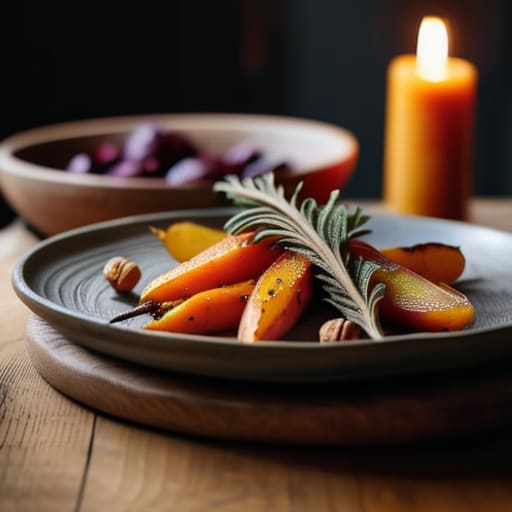
The secret to a menu that actually sings is leaning heavily into seasonal flavor profiles. Instead of fighting the calendar, let the produce dictate the direction of your meal. When autumn rolls around, stop hunting for summer berries and start embracing the earthy, comforting weight of roasted root vegetables and sage. This isn’t just about what’s available; it’s about creating a cohesive sensory experience. When you align your ingredients with the natural rhythm of the earth, the food feels intentional rather than forced.
One of my favorite farm to table hosting tips is to build your menu around a single “hero” ingredient. If you find incredible heirloom tomatoes in July, let them be the star—perhaps a burrata salad to start, followed by a light pasta. This approach simplifies the menu planning for seasons significantly. It prevents that overwhelming feeling of trying to source everything at once and ensures every bite feels like a celebration of the current moment. When the ingredients are at their peak, you don’t need complex techniques to make them shine; you just need to get out of their way.
Farm to Table Hosting Tips for Authenticity
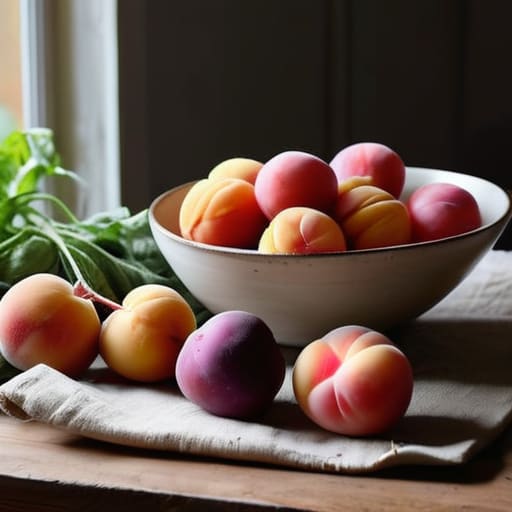
If you really want to elevate the experience, stop looking at your grocery list and start looking at a local harvest calendar. The most impactful farm to table hosting tips usually involve getting your hands dirty—literally. Instead of settling for supermarket produce that’s traveled thousands of miles to reach your kitchen, try hitting the local farmers’ market on Saturday morning. There is a tangible difference in the vibrancy of a peach picked at peak ripeness versus one that’s been sitting in a shipping container for weeks. When you source locally, you aren’t just buying ingredients; you’re telling a story about where you live and what the earth is currently offering.
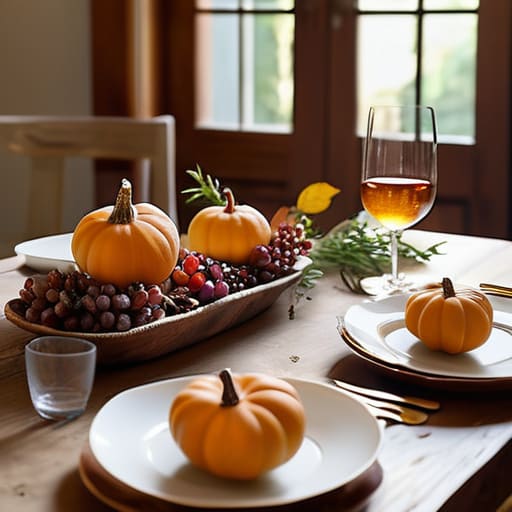
This connection to the land shouldn’t stop at the plate, either. I love bringing those raw, earthy elements directly to the eyes of my guests. Rather than buying a plastic-wrapped arrangement, I often scavenge for wild branches, seasonal berries, or even heirloom vegetables to use as part of my centerpiece decoration ideas. It creates this beautiful, unstudied elegance that makes the whole evening feel grounded and intentional. When the decor mirrors the ingredients, the entire meal feels like a cohesive, living tribute to the time of year.
Setting the Scene: Beyond the Plate
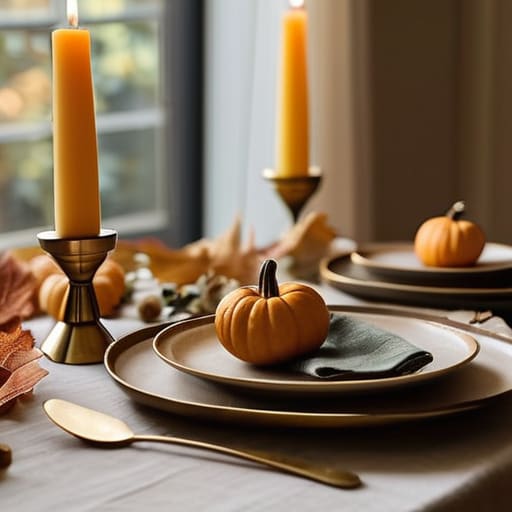
- Don’t overthink the decor; just lean into what’s actually happening outside your window. If it’s autumn, grab some dried wheat or heavy linen napkins; if it’s spring, a few sprigs of fresh jasmine or wildflowers do more for the vibe than any expensive centerpiece ever could.
- Layer your lighting to match the mood. For those long, cozy winter evenings, skip the overhead lights entirely and stick to a sea of unscented tea lights and low-wattage lamps to keep things intimate and warm.
- Curate a seasonal soundtrack that isn’t distracting. Think acoustic folk for a breezy summer garden party or some low-fi jazz for a rainy November gathering—music should fill the gaps in conversation, not compete with it.
- Use textures to tell the story. A heavy, stoneware plate feels much more “right” during a hearty stew season than a delicate, translucent porcelain dish that belongs in the heat of July.
- Let the scent of the season work for you. Instead of heavy artificial candles, let the aroma of roasting rosemary or citrus peels wafting from the kitchen do the heavy lifting for your home’s atmosphere.
The Secret Sauce to a Seamless Season
Let the calendar do the heavy lifting by leaning into what’s naturally in season; it makes your menu feel effortless and keeps your grocery bill from skyrocketing.
Focus on sensory storytelling—use textures, scents, and colors that mirror the current weather to turn a simple meal into a full-blown atmosphere.
Don’t overthink the perfection; the most memorable tables are the ones that feel intentional but relaxed enough for guests to actually enjoy themselves.
The Heart of the Table
“A seasonal dinner party isn’t about following a recipe or a strict calendar; it’s about capturing a specific moment in time—the way the light hits the table in July or the warmth of a slow-simmered stew in November—and serving it up so your guests can actually taste the season.”
Writer
The Magic is in the Details
Of course, none of these culinary details matter if the atmosphere feels stiff or forced, which is why I always tell my friends that the magic is in the details. Beyond just the food, I’ve found that keeping an eye on current design trends and lifestyle inspiration can completely transform a standard dining room into a curated experience. If you’re ever feeling stuck on how to bridge the gap between a simple meal and a truly cohesive aesthetic, I highly recommend checking out curiousreport for some fresh perspective on elevating your home environment. It’s been a total game-changer for my own hosting style, helping me find those small, unexpected touches that make guests feel truly at home.
At the end of the day, hosting a successful seasonal dinner party isn’t about achieving culinary perfection or having a Pinterest-worthy centerpiece that looks untouched. It’s about the synergy between what’s on the plate and what’s happening outside your windows. By leaning into authentic, local ingredients and tailoring your menu to the natural rhythm of the year, you create a cohesive experience that feels intentional rather than forced. Whether you are focusing on the earthy richness of a winter roast or the vibrant, zesty lightness of a summer salad, the goal is to let the season do the heavy lifting for you.
Ultimately, these gatherings are less about the food and more about the human connection they foster. When we slow down to honor the changing seasons, we invite our guests to do the same. Don’t sweat the small stuff—the spilled wine or the slightly overcooked vegetable—because your guests won’t remember those hiccups. They will remember the warmth of the candlelight, the laughter shared over a seasonal dish, and the feeling of being truly present. So, set the table, pour the wine, and let the season guide the way.
Frequently Asked Questions
How do I balance a seasonal menu if some of my favorite ingredients are out of season?
Don’t feel like you have to abandon your favorites just because the calendar says so. The trick is to use them as “accent” ingredients rather than the stars of the show. If you’re craving summer tomatoes in the middle of winter, pair them with something deeply seasonal—like a roasted root vegetable salad or a hearty braise. It’s all about finding that sweet spot where your cravings meet the rhythm of the market.
What are some easy ways to incorporate seasonal decor without making the table look overdone or kitschy?
The trick is to lean into “organic minimalism.” Instead of buying those plastic, glitter-coated centerpieces that scream department store, look to your backyard or the local farmer’s market. A simple wooden bowl overflowing with heirloom tomatoes in August, or a few scattered, dried eucalyptus branches and unscented tea lights in November, creates a vibe that feels intentional rather than cluttered. Keep the textures natural and the colors muted, and you’ll achieve elegance without the kitsch.
How can I host a seasonal dinner party on a tight budget without sacrificing that high-end, curated feel?
The secret is leaning into what’s abundant. When ingredients are in peak season, they’re cheaper and actually taste better, so you don’t need expensive imports to impress. Focus your budget on one “hero” element—like a beautiful centerpiece of seasonal greens or a decent bottle of wine—and keep the rest of the menu simple and rustic. It’s about intentionality, not extravagance; a crusty loaf of bread and salted butter can feel incredibly high-end if the lighting is just right.