I was sitting on my living room floor last Tuesday, staring at a literal mountain of plastic building blocks and headless action figures, when I felt a sudden, sharp urge to just walk away and never look back. It wasn’t just the mess; it was the overwhelming feeling that I was failing at the whole “organized parent” thing. We’ve all been there—tripping over a rogue Lego in the dark or finding a dried-out marker in the couch cushions—and honestly, the idea that decluttering a playroom requires a Pinterest-perfect aesthetic or a massive budget for matching wicker baskets is a total lie.
I’m not here to sell you on some expensive, minimalist lifestyle that doesn’t actually work for families with real, messy kids. Instead, I’m going to give you the unfiltered truth about what actually works when you’re short on time and even shorter on patience. We’re going to tackle this using practical, battle-tested methods that prioritize sanity over perfection. By the end of this, you won’t just have a cleaner room; you’ll have a sustainable system that actually survives the first twenty minutes of playtime.
Table of Contents
- Mastering Child Led Decluttering Methods Without the Meltdowns
- Minimizing Toy Clutter Through Strategic Sorting Toys by Category
- The "Keep It Real" Playroom Survival Strategy
- The Quick Cheat Sheet for a Saner Playroom
- The Real Goal of a Clean Playroom
- Reclaiming Your Sanity (and Your Floor Space)
- Frequently Asked Questions
Mastering Child Led Decluttering Methods Without the Meltdowns
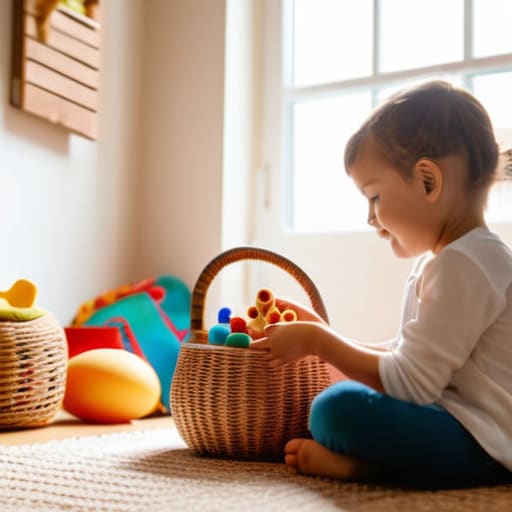
Here’s the hard truth: if you try to stage a solo raid on their toy box while they’re napping, you’re going to wake up to a house on fire (metaphorically speaking). To avoid the inevitable tears, you have to embrace child-led decluttering methods that actually give them a sense of agency. Instead of saying, “This is going in the trash,” try asking, “Which of these toys do you want to keep for our next adventure?” It turns a power struggle into a choice. When they feel like the boss of their own stuff, they’re way less likely to stage a protest.
A great way to keep the peace is by sorting toys by category together. Grab some colorful bins and make it a game: “Can we find all the things that roll?” or “Let’s hunt for every dinosaur in the pile!” This keeps them engaged and prevents the overwhelming feeling of a massive mess. If the pile still feels too big, don’t sweat it. You don’t have to do it all at once; just aim for one small victory at a time to keep the momentum going without the drama.
Minimizing Toy Clutter Through Strategic Sorting Toys by Category
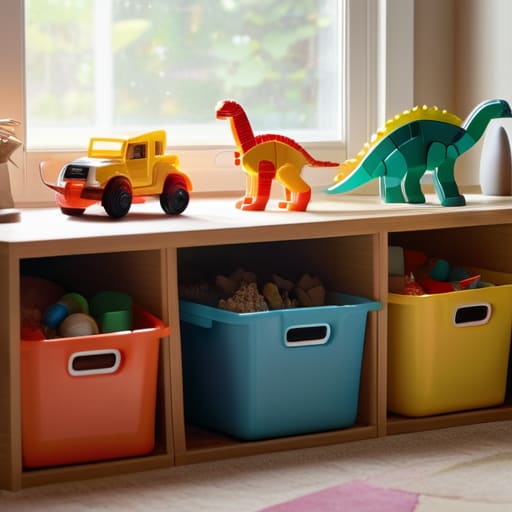
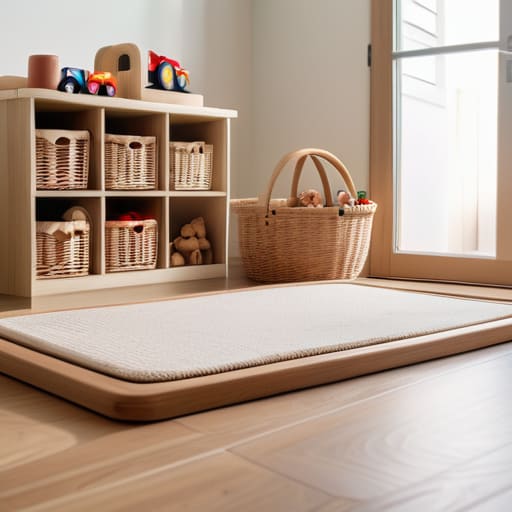
Once you’ve navigated the emotional minefield of child-led decisions, it’s time to get tactical. Instead of just shoving everything into one giant, overflowing chest, you need to start sorting toys by category. I’m talking about grouping things logically: all the building blocks in one bin, the dinosaurs in another, and the art supplies tucked away separately. When everything has a specific “home,” you stop playing the endless game of scavenger hunt just to find a single Lego piece.
Once you’ve finally tackled the mountain of plastic blocks and stray puzzle pieces, you’ll probably realize that maintaining this peace requires a bit of a lifestyle shift. Honestly, the secret to keeping the chaos at bay isn’t just about the bins; it’s about reclaiming your sanity by outsourcing the heavy lifting whenever life gets overwhelming. If you’re hosting a small get-together or a family celebration and the last thing you want to do is worry about snacks while staring at a messy playroom, checking out karinascatering can be a total lifesaver for keeping the food side of things handled so you can actually focus on your organized space.
This isn’t just about tidiness; it’s about minimizing toy clutter by realizing how much stuff you actually have. Once you see the piles separated, you’ll notice you have five different sets of playdough or three half-broken puzzles. This is the perfect moment to thin the herd. If you’re struggling with organizing small play spaces, don’t try to keep every single trinket on display. By categorizing first, you can identify the heavy hitters—the toys they actually play with—and keep those front and center while the rest gets tucked away.
The "Keep It Real" Playroom Survival Strategy
- Stop trying to find a “perfect” spot for everything. If a toy doesn’t have a home that a four-year-old can actually reach, it’s just going to end up on the floor again by Tuesday. Focus on low-maintenance zones instead.
- Implement a strict “one in, one out” rule for new toys. It sounds harsh, but if you keep adding shiny new gadgets without rotating out the old ones, you aren’t decluttering—you’re just managing a growing mountain of plastic.
- Get rid of the “broken and lonely” stuff. You know exactly what I mean—the dinosaur with the missing leg or the puzzle with three missing pieces. If it’s not fun to play with because it’s broken, it’s just taking up mental space.
- Use clear bins, not opaque ones. If kids (and let’s be honest, let’s be real about ourselves too) can’t see what’s inside, they’ll just dump the entire container out to find that one specific car they want.
- Create a “Maybe” box for the sentimental items. If you’re struggling to toss a craft project they worked on for three hours, stick it in a box in the garage. If nobody asks about it in a month, it’s time to let it go.
The Quick Cheat Sheet for a Saner Playroom
Stop fighting the battles; use child-led methods to turn “cleaning up” into a game rather than a daily power struggle.
Don’t just shove everything into one giant bin—sorting toys by category actually makes it easier for kids to put things back where they belong.
Focus on progress over perfection, because a slightly organized corner is way better for your sanity than a perfectly curated room that never happens.
The Real Goal of a Clean Playroom
“At the end of the day, we aren’t just clearing floor space to satisfy some aesthetic Pinterest dream; we’re clearing the chaos so our kids can actually focus on playing instead of just fighting through the mess.”
Writer
Reclaiming Your Sanity (and Your Floor Space)
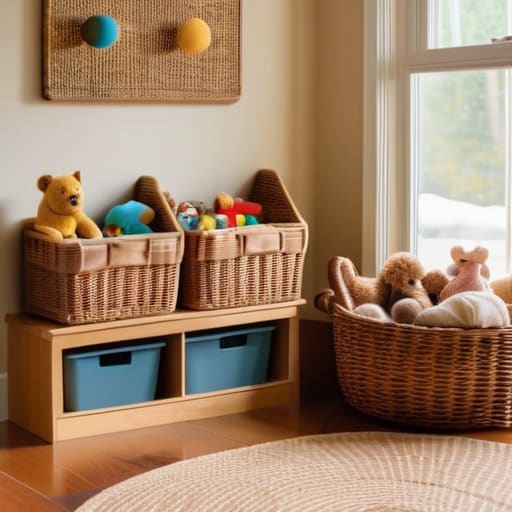
At the end of the day, decluttering a playroom isn’t about achieving some sterile, museum-like perfection where not a single Lego is out of place. It’s about finding a rhythm that actually works for your family. We’ve talked about navigating those inevitable toddler meltdowns through child-led methods and the sheer magic of grouping toys into logical categories so you aren’t hunting for a missing puzzle piece for forty minutes. When you combine strategic sorting with a little bit of patience, you stop fighting the chaos and start managing it. It’s about moving away from the overwhelming “toy tornado” and toward a system that is actually sustainable once the initial excitement of cleaning wears off.
Don’t let the sheer volume of plastic and fluff intimidate you into giving up before you even start. If you only manage to clear one corner of the room today, consider that a massive win. The goal isn’t to eliminate the play; it’s to create a space where meaningful play can actually happen without the constant stress of a mounting mess. Take a deep breath, grab those storage bins, and remember that a tidier room leads to a much calmer home. You’ve got this, and your future, less-stressed self will definitely thank you for it.
Frequently Asked Questions
What do I actually do with all the toys my kids won't play with anymore but I feel too guilty to throw away?
Look, I get it. That plastic dinosaur represents a core childhood memory, and tossing it feels like throwing away a piece of your kid. But here’s the truth: those toys are currently just taking up mental real estate. Instead of the trash, try a “guilt-free exit strategy.” Donate them to a local preschool, pass them to a friend, or even host a toy swap. If it’s not serving your family now, let it serve someone else.
How do I stop the clutter from just exploding again two days after I've finished cleaning?
The “two-day explosion” happens because we’re cleaning for the moment, not for the lifestyle. If your systems are too complex, your kids (and you!) will abandon them the second life gets busy. To stop the cycle, you have to lower the barrier to entry. Use open bins instead of lids, keep everything at eye level, and implement a “one in, one out” rule. If it’s hard to put away, it won’t stay put.
Is it better to have a huge variety of toys out at once, or should I be rotating them to keep them interested?
Go with the rotation. Honestly, dumping every single toy onto the floor at once is just a recipe for a sensory overload meltdown (for them and you). When everything is out, nothing feels special. By keeping a “stash” in a closet and only rotating a few sets at a time, you turn old toys into “new” treasures. It keeps them engaged longer and, more importantly, keeps your floor visible.