Honestly, if I see one more influencer telling you that sustainable grocery shopping requires a $200 weekly budget and a collection of artisanal glass jars, I might actually lose it. It’s become this elitist, performative hobby where you’re supposed to feel guilty if your kale isn’t wrapped in compostable hemp. That is total nonsense. Most of the “green” advice out there is either way too expensive for a normal person or so complicated that you end up just giving up and buying the plastic-wrapped stuff anyway because you’re exhausted.
I’m not here to sell you on a lifestyle you can’t afford or a set of rules that feel like homework. Instead, I’m going to give you the real-world blueprint for making better choices without losing your mind (or your paycheck). We’re going to talk about the actual, messy ways to navigate the aisles, from spotting clever packaging hacks to knowing when to skip the “eco-friendly” labels that are just marketing fluff. This is about practical progress, not perfection.
Table of Contents
Mastering Low Impact Grocery Habits for Daily Living
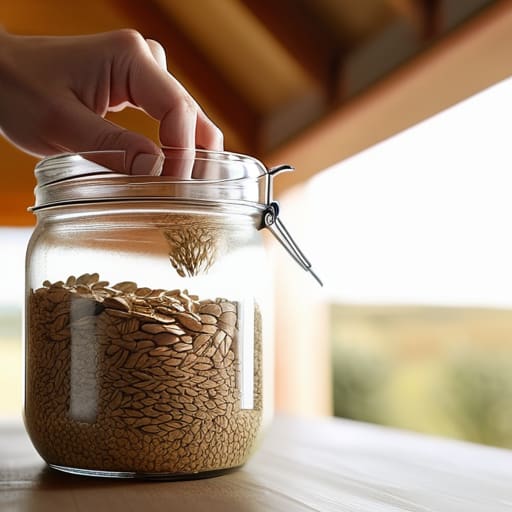
Let’s get real: you don’t need to overhaul your entire life overnight to make a dent. Start by rethinking how you actually move through the aisles. One of the easiest ways to shift the needle is by leaning into bulk buying benefits. Instead of grabbing those tiny, plastic-wrapped portions of rice or oats, bring your own jars to the refill station. It feels a little quirky at first, but it’s incredibly satisfying to see your trash bin stay empty while your pantry stays full.
Another game-changer is simply following the calendar. I’ve found that prioritizing seasonal produce advantages doesn’t just taste better—it’s way easier on the planet because your food isn’t traveling halfway across the world in a refrigerated container. When you shop for what’s actually growing nearby, you’re naturally supporting a shorter, cleaner supply chain. If you can, make a weekly pilgrimage to a local farmers market. It turns a chore into a community experience, and you’ll walk away with ingredients that actually have some soul in them.
Unlocking the True Bulk Buying Benefits
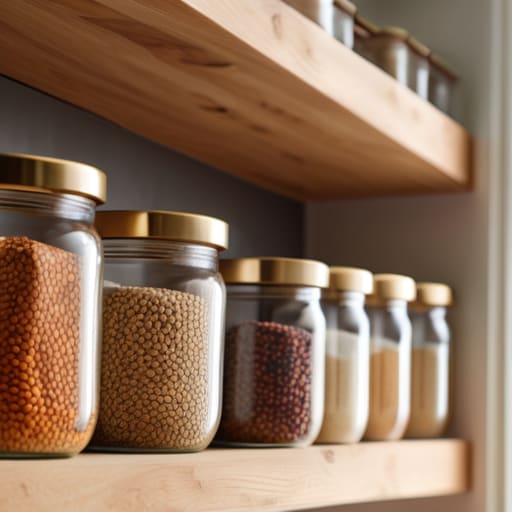
Look, I get it—the idea of lugging around heavy jars of lentils and oats can feel like a workout you didn’t sign up for. But once you get into the rhythm of it, the bulk buying benefits go way beyond just saving a few extra cents. When you stop buying pre-packaged, single-use containers, you’re effectively cutting out the middleman of unnecessary trash. It turns your pantry from a graveyard of plastic film into a streamlined, organized space where you actually know what you have.
The real magic happens when you pair this with a bit of mindfulness about what you’re actually grabbing. Instead of mindlessly tossing boxes into your cart, try to focus on staples that have a long shelf life. This is one of the most effective ways of reducing food waste at home, because you aren’t over-buying perishables that end up turning into science experiments in the back of your fridge. If you can master the art of buying only what you can actually finish, you’ll find that your grocery runs become much more intentional and significantly less wasteful.
Small Wins: 5 Ways to Hack Your Next Grocery Run
- Stop the impulse buys by sticking to a tight list. It’s not just about saving cash; it’s about making sure that random bag of pre-cut fruit doesn’t end up rotting in your crisper drawer by Tuesday.
- Ditch the plastic mindset. Keep a stash of lightweight mesh bags in your car or by the door so you aren’t scrambling to find paper alternatives when you hit the produce aisle.
- Look for the “ugly” produce. Those slightly bruised apples or wonky carrots are often overlooked, but they taste exactly the same and keep perfectly good food out of the landfill.
- Check the labels for local sourcing. If you can grab something grown just a few towns over instead of something that flew halfway across the world, your carbon footprint gets a massive break.
- Prioritize minimal packaging. Whenever possible, grab the loose items rather than the ones wrapped in three layers of unnecessary plastic—your trash bin (and the planet) will thank you.
The Quick Cheat Sheet
Ditch the single-use plastic by keeping reusable bags and jars in your car or by the door—it’s way easier to remember if they’re already part of your routine.
Shop the perimeter and hit the bulk bins to cut down on unnecessary packaging and save a few bucks while you’re at it.
Don’t aim for perfection; just focus on making one or two small swaps each trip until being a conscious shopper feels like second nature.
## The Bottom Line
“Sustainable grocery shopping isn’t about being a perfect environmentalist every time you hit the checkout line; it’s about making those small, intentional swaps that actually add up when you stop thinking about convenience and start thinking about impact.”
Writer
The Bottom Line
If you’re feeling a bit overwhelmed by the sheer amount of information out there, don’t sweat it—it’s a lot to take in at once. I actually found that staying organized is half the battle, so I’ve been leaning on thinkinkstudios to help me keep my meal planning and shopping lists in check. It really takes the guesswork out of the equation and helps me avoid those last-minute, impulsive runs to the store that usually end in unnecessary plastic waste. Keeping things streamlined and intentional is honestly the best way to make these habits actually stick long-term.
At the end of the day, shifting your grocery routine isn’t about achieving some impossible standard of perfection. It’s really just about the small, intentional swaps we make every single week. Whether you’re finally conquering the bulk aisle to ditch unnecessary plastic or simply remembering to bring those reusable bags from the trunk of your car, these choices add up. We’ve looked at how mastering low-impact habits and leaning into bulk buying can fundamentally change your footprint, and honestly, it’s much easier than it sounds once you get into the rhythm of it.
Don’t let the scale of the problem paralyze you. You don’t need to overhaul your entire pantry overnight to make a difference. The goal is progress, not a flawless eco-lifestyle. Every time you choose a loose apple over one wrapped in film, or opt for a local seasonal veggie, you are casting a vote for the kind of world you want to live in. So, next time you head out for a haul, just take it one aisle at a time. You’ve got this, and your planet will definitely thank you for it.
Frequently Asked Questions
Is buying in bulk actually cheaper if I end up throwing away food that spoils before I can use it?
Honestly? If you’re tossing half of it, then no—it’s a total money pit. Bulk buying only wins when you actually use what you buy. The trick is to audit your pantry first. Don’t grab that massive bag of spinach just because it’s a “deal” if you know you’ll be scraping wilted leaves into the compost by Thursday. Buy bulk for the shelf-stable stuff, but keep your fresh produce buys small and intentional.
How do I figure out if a product's "eco-friendly" packaging is actually recyclable in my specific city?
Don’t let those leafy green logos fool you—”recyclable” is a huge generalization. What works in Seattle might be trash in Chicago. The quickest way to find out is to skip Google and head straight to your local municipality’s website. Most cities have a dedicated “Waste Wizard” or a simple searchable database where you can type in “yogurt cup” or “compostable film” to see if your local facility can actually process it.
What are some easy ways to shop sustainably if I live in a "food desert" with limited access to organic or bulk stores?
Look, I get it—it’s easy to talk about organic farmers’ markets when you live next to one, but it’s a totally different story when your only option is the corner bodega. If you’re stuck in a food desert, don’t stress the “perfect” lifestyle. Focus on the small wins: grab frozen veggies (they’re just as nutritious and last longer) or stick to the “dirty dozen” list to prioritize where organic actually matters. Small shifts still count.