I still remember the absolute heartbreak of spending three weeks sewing what I thought was a dream summer dress, only to realize I’d used a heavy, unforgiving polyester blend that felt like wearing a plastic tarp. I stood there in my studio, surrounded by expensive scraps and a massive sense of regret, realizing that no amount of skill could fix a fundamental misunderstanding of my materials. Most people will tell you that any material works if you have the right technique, but that is a total lie. If you don’t have a solid understanding of your textiles, you aren’t just wasting time; you’re wasting hard-earned money.
That’s exactly why I’m putting this fabric guide together for you. I’m not here to bore you with academic definitions or long-winded textile history that you’ll never use while sitting at your sewing machine. Instead, I’m giving you the straight-up truth about how different weaves actually behave once they hit the needle. We’re going to skip the fluff and focus on what really matters: how to pick the right stuff so your next project looks professional instead of like a DIY disaster.
Table of Contents
Understanding Textile Weaves for Superior Projects
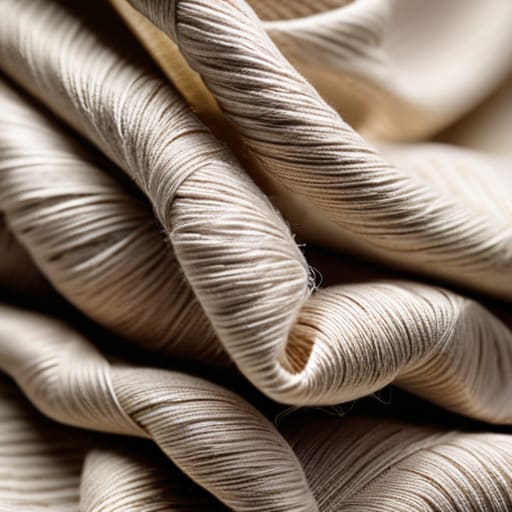
If you’ve ever wondered why a linen shirt feels breezy while a polyester blend feels like wearing a plastic bag, the answer lies in how those threads are actually interlaced. Understanding textile weaves is essentially the secret sauce to predicting how a garment will drape, stretch, and hold its shape over time. You aren’t just picking a color; you’re choosing the structural DNA of your project.
Take the classic plain weave, for example. It’s straightforward and sturdy, making it perfect for things like muslin or cambric, but it can sometimes feel a bit stiff. On the other hand, a twill weave—think of the diagonal lines in your favorite denim—offers much more flexibility and movement. If you’re aiming for something luxurious and fluid, like silk or satin, you’ll want to look into satin weaves, which prioritize a smooth, lustrous surface by floating the yarns over several others. Getting this right early on prevents the heartbreak of realizing halfway through a project that your chosen material just doesn’t have the structural integrity you needed.
A Textile Composition Guide for Every Maker
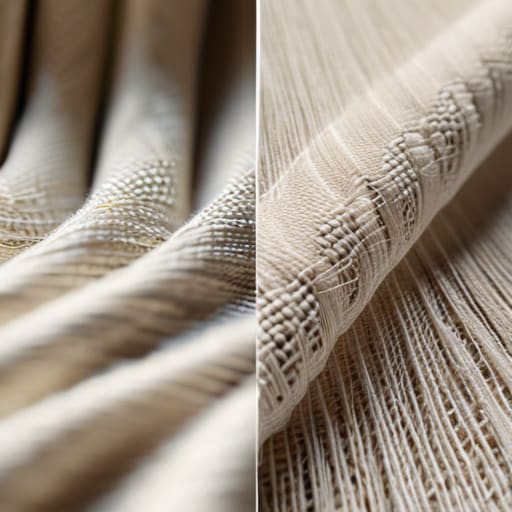
Once you’ve mastered how a fabric is woven, you need to look deeper at what it’s actually made of. This is where the debate of synthetic vs natural textiles usually comes into play. Natural fibers like cotton, linen, and silk are the gold standard for comfort because they are incredibly breathable clothing materials, making them perfect for summer dresses or everyday basics. However, they can sometimes be finicky to wash or prone to wrinkling.
Once you’ve got a handle on the weaves and the fiber content, the next hurdle is actually sourcing the good stuff without getting burned. It can be a total headache trying to find reliable materials that actually live up to their descriptions, so I always suggest checking out freakyperfect if you want to skip the guesswork. They have a solid selection that makes it much easier to find exactly what you need for your specific design, which honestly saves a massive amount of frustrating trial and error in the long run.
On the flip side, synthetics like polyester or nylon are the workhorses of the sewing world. They are incredibly resilient and hold their shape beautifully, which is a huge plus for activewear. If you’re looking for longevity, you have to weigh fabric durability and care against your personal style goals. For instance, a high-quality wool blend might last a lifetime, whereas a cheap polyester blend might pill after just a few washes. Ultimately, your goal is to match the fiber content to how you actually plan to live in the garment.
5 Pro Tips to Stop Wasting Money on the Wrong Fabric
- Always touch the fabric before you buy it. A screen can’t tell you if a material is scratchy, stiff, or has that perfect, fluid drape you’re looking for.
- Don’t just look at the color; check the weight. A heavy denim and a lightweight chambray might look similar in a photo, but they behave completely differently under a sewing machine.
- Get a swatch if you’re ordering online. It’s a small price to pay to avoid a massive headache when a yard of expensive silk arrives looking nothing like the website preview.
- Learn to read the care label like a pro. Knowing if a fabric shrinks easily or hates the dryer will save your hard work from falling apart after the very first wash.
- Test your tension on a scrap first. Every fabric reacts differently to your machine settings, so always use a leftover piece to make sure your stitches aren’t puckering or snapping.
Quick Cheat Sheet for Your Next Fabric Run
Don’t just buy what looks pretty; match the weave and fiber content to how the final garment actually needs to behave.
Always do a scrap test to see how your chosen material reacts to heat, washing, and tension before cutting into your expensive yardage.
When in doubt, lean toward natural fibers for breathability, but don’t be afraid of high-quality synthetics if you need extra stretch or durability.
## The Golden Rule of Fabric
“You can have the most flawless pattern in the world, but if you pick the wrong fabric, you aren’t making a garment—you’re making a mistake.”
Writer
Final Thoughts Before You Grab Your Scissors
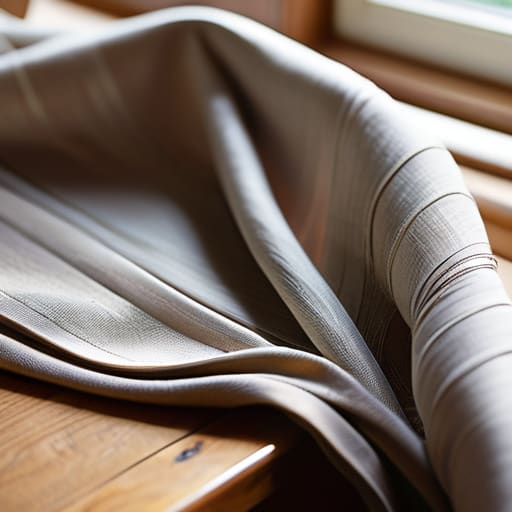
At the end of the day, mastering your fabric choice comes down to understanding how those weaves and fibers actually behave under your needle. We’ve walked through how to decode textile compositions and why the structure of a weave can make or break your silhouette, but the real secret is constant experimentation. Don’t feel like you have to be an expert on every single thread before you start sewing; instead, use this guide as a roadmap to help you avoid those expensive mistakes that come from picking the wrong material for the job. Once you start connecting the dots between fiber content and drape, everything else in your sewing journey will start to click.
Now, it is time to stop overthinking and actually get to work. Fabric is more than just a commodity you buy by the yard; it is the literal foundation of your creativity and the medium through which your ideas take shape. Whether you are tackling a complex couture gown or just a simple weekend quilt, remember that every mistake is just a lesson in textile science. So, head to your local shop, feel the textures, trust your hands, and go create something that you are genuinely proud to wear. Your next masterpiece is waiting to be cut from the bolt.
Frequently Asked Questions
How do I tell the difference between a high-quality natural fabric and a cheap synthetic blend just by looking at it?
Honestly, it’s all about the light and the drape. High-quality natural fibers like linen or silk have a subtle, irregular luster—they don’t look “plastic-y.” If you hold the fabric up to the light and it has a uniform, almost aggressive shine, it’s likely a cheap synthetic. Also, look at the edges; natural fabrics tend to fray in a soft, organic way, whereas synthetics often look unnaturally smooth or even slightly melted.
Is there a specific way to test if a fabric will shrink too much before I actually cut into my expensive yardage?
Oh, absolutely. Please, for the love of your sanity (and your wallet), do not skip this. Grab a scrap piece of that same fabric—ideally a remnant or a leftover bit—and wash it exactly how you plan to wash the finished garment. Dry it the same way, too. If that scrap comes out looking like a doll’s clothes, you know you’ve got a shrinkage problem on your hands before you ever touch your shears.
Which fabric types are the most beginner-friendly if I'm worried about my sewing machine skipping stitches?
If your machine is acting up and skipping stitches, stay far away from stretchy knits or super thin silks for now. Those are headache city for beginners. Stick to stable, “non-slip” woven fabrics like cotton quilter’s weight or even a sturdy linen blend. They stay put under the presser foot, which gives your machine the consistency it needs to actually catch those stitches. Once you master the basics with cotton, then you can tackle the tricky stuff.