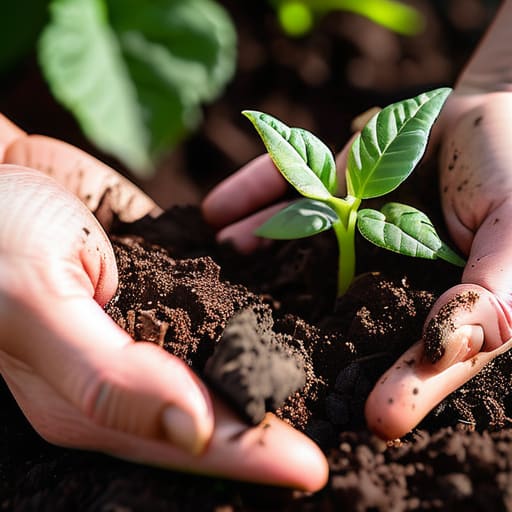
I still remember the first time I stood in my backyard, staring at a row of stunted, yellowing tomato plants and feeling like a total fraud. I had followed every expensive, color-coded feeding schedule in the book, yet my garden looked more like a graveyard than a sanctuary. I realized then that I was obsessing over the wrong things; I was trying to medicate the plants while completely ignoring the actual foundation of everything: my garden soil health. It turns out, you can dump all the boutique, nitrogen-rich pellets you want onto your beds, but if the ground underneath is dead and compacted, you’re essentially just throwing money into a hole.
Look, I’m not here to sell you a subscription to a miracle fertilizer or a complicated laboratory testing kit that costs more than your groceries. I’ve spent years getting my hands dirty—and making plenty of expensive mistakes—so you don’t have to. In this guide, I’m going to strip away the marketing fluff and give you the straight-up, dirt-under-the-fingernails truth about building living soil. We’re going to focus on what actually works to create a thriving ecosystem right beneath your feet, keeping things simple, effective, and entirely no-nonsense.
Table of Contents
The Soil Microbiome Importance Life in the Dark
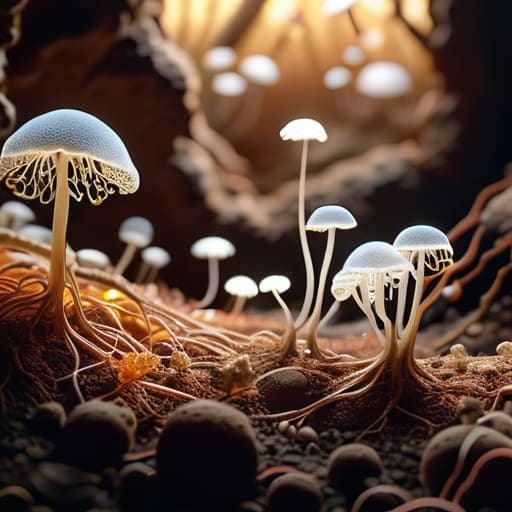
Think of your garden not as a pile of dirt, but as a massive, underground city. Beneath every handful of earth is a frantic, invisible metropolis of bacteria, fungi, and protozoa all working overtime. This is the soil microbiome importance in action; these tiny organisms are the true architects of your garden. They don’t just sit there; they actively break down organic matter, turning “dead” debris into a buffet of nutrients that your plants can actually digest. Without this microscopic workforce, your expensive fertilizers are basically just expensive snacks that your plants can’t even chew.
When this underground community is thriving, you’ll notice it immediately in how your garden behaves. A healthy microbiome acts like a biological glue, improving soil structure by creating tiny aggregates that allow air and water to move freely. Instead of a compacted, muddy mess that chokes root systems, you get a crumbly, sponge-like texture that holds moisture perfectly. It’s a delicate, living web where every tiny creature plays a part in keeping your plants resilient and strong.
Balancing Nitrogen Phosphorus Potassium for Peak Vitality
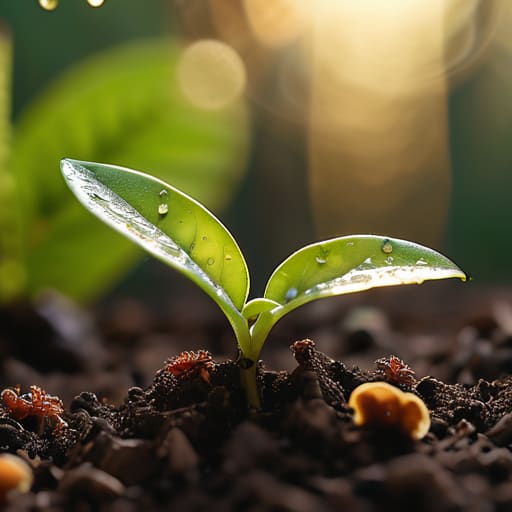
Once you understand the microscopic magic happening underground, you have to talk about the fuel. We’ve all seen those colorful bags of fertilizer at the local hardware store, shouting about N-P-K, but it’s easy to get lost in the chemistry. Think of these three numbers—nitrogen, phosphorus, and potassium—as the essential diet for your garden. Nitrogen is your leafy green engine, phosphorus is the spark for root development and blooms, and potassium is the overall immune system booster. Achieving a proper nitrogen phosphorus potassium balance isn’t about hitting a specific mathematical formula; it’s about reading what your plants are telling you.
Now, I know what you’re thinking: “This sounds great in theory, but how do I actually know what my specific dirt needs?” It’s a fair question, and honestly, guessing is the fastest way to accidentally burn your roots with too much fertilizer. If you’re feeling a bit lost in the weeds with your nutrient ratios, I’ve found that diving into the deeper science helps clear the fog. I’ve been spending a lot of time lately looking through the resources over at williamkdaby, and it’s been a total game changer for understanding how to actually apply these principles without the guesswork. It’s really about working with nature rather than trying to force it, and having a solid roadmap makes all the difference when you’re standing there in the garden with a shovel in hand.
If your leaves are turning pale yellow, they’re likely starving for nitrogen. If they’re struggling to flower, you might need more phosphorus. However, don’t go overboard with synthetic quick-fixes. Over-fertilizing can actually disrupt the delicate balance of the soil microbiome importance we discussed earlier. Instead, lean into slower, more natural methods like adding finished compost. It provides a steady, buffered release of nutrients that mimics how nature actually works, ensuring your plants get exactly what they need without the chemical roller coaster.
Five Ways to Stop Treating Your Soil Like Dirt
- Stop digging so much. I know, it feels productive, but every time you turn the soil over with a spade, you’re essentially demolishing the tiny, complex apartment complexes the microbes have spent months building. Leave the structure alone and let the worms do the heavy lifting.
- Get some mulch on there immediately. Bare soil is stressed soil. Whether it’s straw, shredded leaves, or wood chips, keeping a protective layer on top acts like a thermal blanket and keeps the moisture from evaporating into thin air.
- Feed the soil, not the plant. Instead of reaching for those quick-fix synthetic fertilizers that act like a caffeine hit for your veggies, throw down some high-quality compost. It’s slow-release, it’s natural, and it builds long-term resilience rather than just a temporary green flush.
- Embrace the “green manure” trick. If you have a patch of dirt sitting idle through the winter, don’t just leave it naked. Plant some clover or vetch; these “cover crops” act like a living skin for your garden, fixing nitrogen and preventing erosion while you sleep.
- Watch your water, but don’t drown the life out of it. Consistent moisture is key, but heavy, compacted soil is a death sentence for roots. If your garden feels like a swamp after a rain, you need to work on your organic matter to improve drainage so your plants can actually breathe.
The Ground Rules for a Thriving Garden
Stop treating your soil like dirt; start treating it like a living, breathing ecosystem that needs feeding.
Don’t get obsessed with N-P-K numbers alone—balance your nutrients with organic matter to keep the soil structure from collapsing.
Success in the garden starts underground, so focus on building a healthy microbiome first and the plant growth will follow naturally.
## The Golden Rule of Gardening
“Stop treating your garden like a chemistry set and start treating it like an ecosystem; you aren’t just feeding plants, you’re hosting a massive, invisible party underground.”
Writer
The Long Game
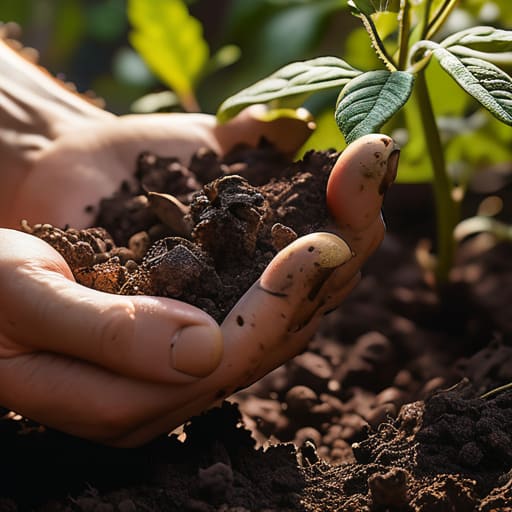
At the end of the day, building great soil isn’t about finding a magic pill or a single “miracle” fertilizer that fixes everything overnight. It’s about the synergy between the microscopic life living in the dark and the macro-nutrients like NPK that keep the engine running. When you stop viewing your garden as just a collection of plants and start seeing it as a living, breathing ecosystem, everything changes. You aren’t just growing tomatoes or marigolds; you are cultivating a foundation of organic matter and microbial diversity that will sustain your backyard for years to come. Stop chasing quick fixes and start investing in the ground beneath you.
Gardening is one of the few places left where we can truly witness the profound connection between stewardship and reward. It can feel slow, and sometimes frustrating when a season doesn’t go exactly to plan, but remember that you are playing the long game. Every handful of compost you add and every bit of mulch you lay down is a promise to the future of your garden. Trust the process, embrace the dirt, and watch how the earth rewards your patience with a bounty that no store-bought chemical could ever replicate. Your garden is waiting to thrive.
Frequently Asked Questions
How do I actually tell if my soil is "dead" or just needs a little more compost?
Look, there’s a massive difference between “hungry” soil and “dead” soil. If your plants look pale or stunted but the dirt still smells earthy and crumbles easily, you’re likely just low on nutrients—toss in some compost and see if they perk up. But if your soil feels like heavy, lifeless concrete, or if it smells sour or like nothing at all, you’ve got a biological desert on your hands. That’s when you need to stop feeding the plants and start rebuilding the ecosystem.
Is it worth the money to buy those expensive soil test kits, or can I just wing it?
Look, I get the temptation to save a few bucks and just eyeball it, but honestly? Don’t wing it. You might think your plants just need more nitrogen, but you could actually be overdoing it and causing more harm than good. A professional soil test is like a blood panel for your garden—it takes the guesswork out of the equation. It’s much cheaper to buy a kit once than to waste money on fertilizers your soil doesn’t actually need.
How much of a difference will organic matter really make if my soil is already heavy clay?
Honestly? It’s the difference between trying to grow things in a brick and growing them in a sponge. Heavy clay is basically just tiny, suffocating particles packed tight, leaving no room for air or water to move. Adding organic matter acts like a wedge, breaking those clumps apart and creating tiny pockets for roots to breathe. It’s not just a minor tweak; it’s the only way to stop your plants from drowning in mud.